OFFERINGS + PRESENTERS
Below is the list of our amazing presenters and workshop hosts.
Aside from these offerings we will be having our Offers + Needs Market, mushroom, plant, slime mold + lichen walks, activities for kids and families, interactive spaces of learning and reflection, film screenings, quiet and sensory chill zones, vendors, art exhibitions, hand poke tattoos, and our communal ceremonial Wine Cap mushroom installation on the land and so much more!
-
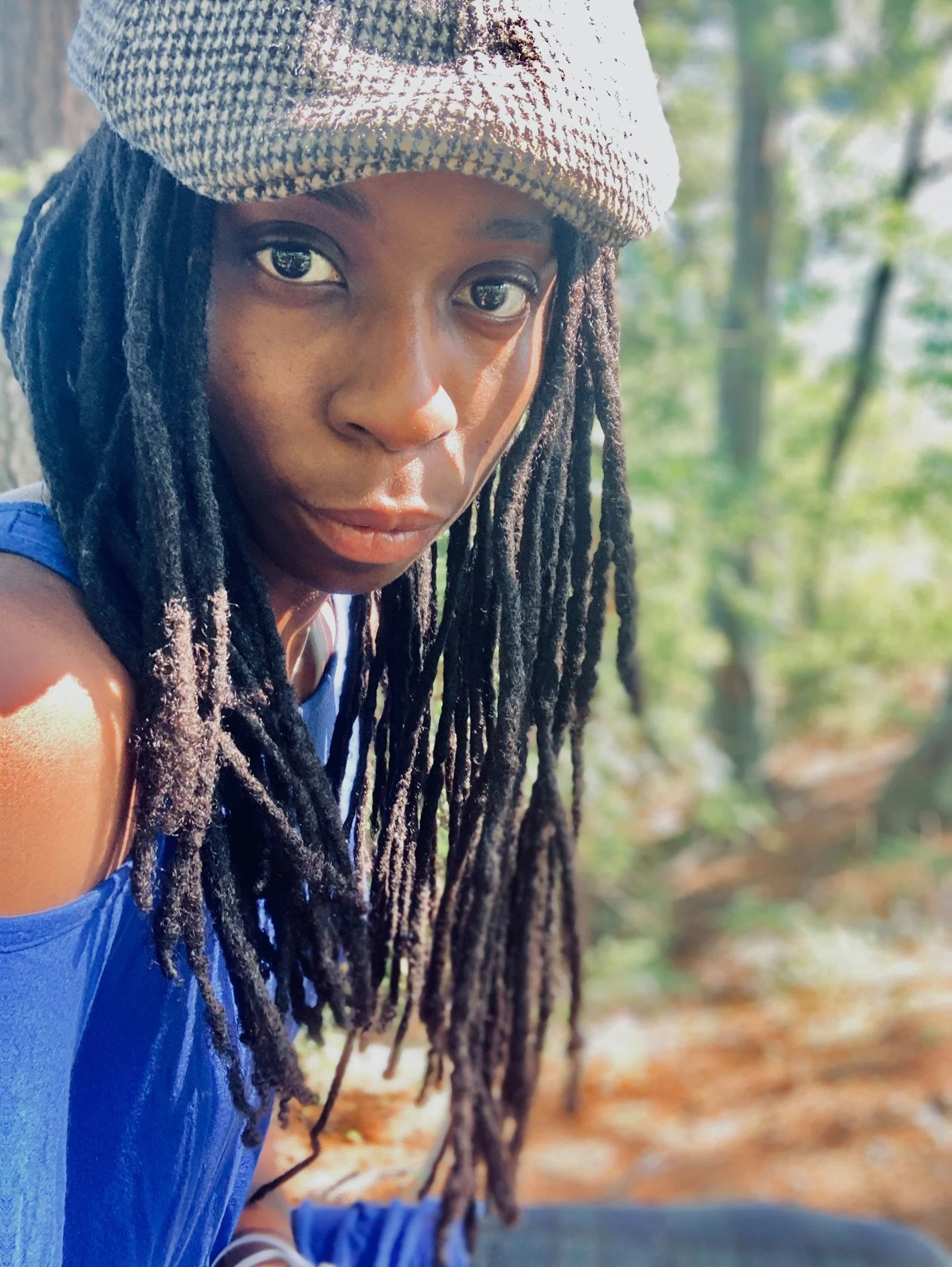
Mushroom Love and Marronage: In this workshop, participants will tour the mutualistic worlds nesting and thriving in this one, gather intel on how to build an ancestrally-rooted mycofuture, and learn what mushrooms might teach us about fighting fascism, food sovereignty, and how to live now. Bring a pen and be prepared to dream.
-
Maria Pinto is an author, naturalist, and educator living in the Boston area. She teaches creative writing for various organizations, and her work has appeared in Orion, Science, Obsidian, Longreads, Literary Hub, Necessary Fiction, and Arnoldia, among other publications. She has led workshops and given lectures for mycological societies around the country, and she leads regular fungal forays at Harvard’s Arnold Arboretum. Her book of lyric essays, Fearless, Sleepless, Deathless: What Fungi Taught Me about Nourishment, Poison, Ecology, Hidden Histories, Zombies, and Black Survival has been longlisted for the Massachusetts Book Award, shortlisted for the OCM Bocas Prize for Caribbean Literature, and received the Don Kissel Award for Non-Fiction.
-
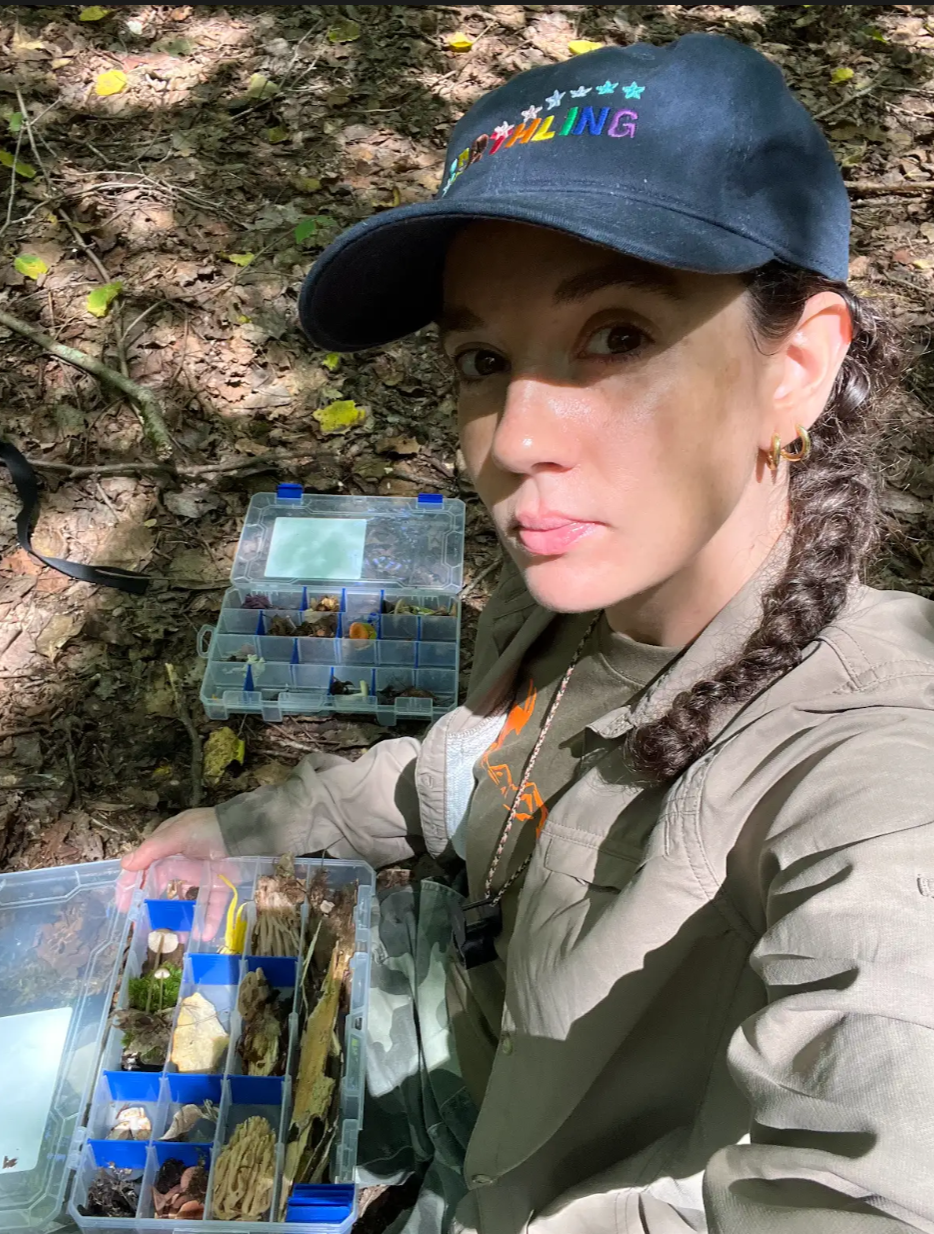
Human stories are sometimes best told in relationship to other species. Not only are humans impacted in material ways by the species around us, but close attention to these species can offer a unique type of clarity in understanding our experiences. Careful noticing of other life forms can help writers expand our frames of reference and thereby process, integrate, and explore information with more dynamic reflexivity. This generative workshop will offer writing prompts that will help participants notice relationships between human and more-than-human, as well as encourage storytelling within/about an enlivened ecology.
Please bring something to write with + your trusty notebook or laptop to type…thanks!
-
Dr. Patricia Ononiwu Kaishian (Patty) is the author of Forest Euphoria: The Abounding Queerness of Nature, a National Bestseller that blends memoir and nature writing, challenging our expectations of what is normal, beautiful, and possible. She holds a PhD in mycology from SUNY College of Environmental Science & Forestry. She is a co-founder of the International Congress of Armenian Mycologists, which seeks to jointly protect Armenian sovereignty and biodiversity. Patty also studies queer theory and philosophy of science, exploring how mycology and other scientific disciplines are situated in and informed by our sociopolitical landscape. She first presented on this subject at New Moon Mycology Summit in 2019, and her paper The Science Underground: Mycology as a Queer Discipline bridged the relationship between queer theory and mycology. Patty currently works as the Curator of Mycology at the New York State Museum in Albany, NY.
-
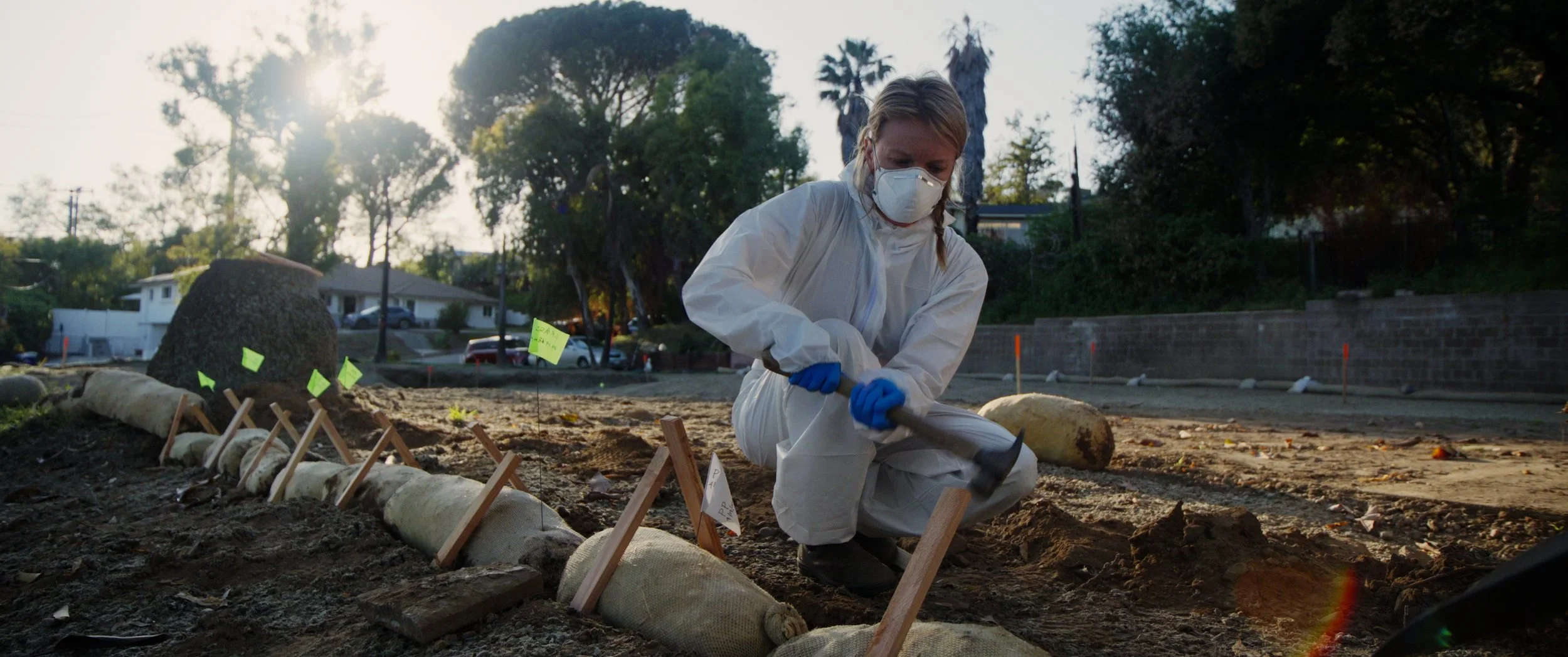
As interest in mycoremediation grows, it's important to discuss ethical questions. For example, who should benefit from these innovations, and who should make decisions about contaminated land? This facilitated discussion will explore topics including environmental justice, Indigenous and community knowledge, accessibility, commercialization, scientific integrity, ecological risks, and responsible communication. This is an invition to share perspectives and have a thoughtful conversation about what an ethical future for mycoremediation could look like.
-
Every contaminated site is different, and there is no one-size-fits-all approach to mycoremediation. Fungi aren't a magic solution but they can be powerful partners when we work with them thoughtfully. In this interactive conversation, we'll explore how to think through a remediation project, from understanding the problem and choosing appropriate approaches to setting realistic expectations and learning from both successes and failures. Whether you're new to mycoremediation or already experimenting with fungi and pollution, bring your questions, ideas, and experiences for an open discussion about working with fungi to restore contaminated environments.
-
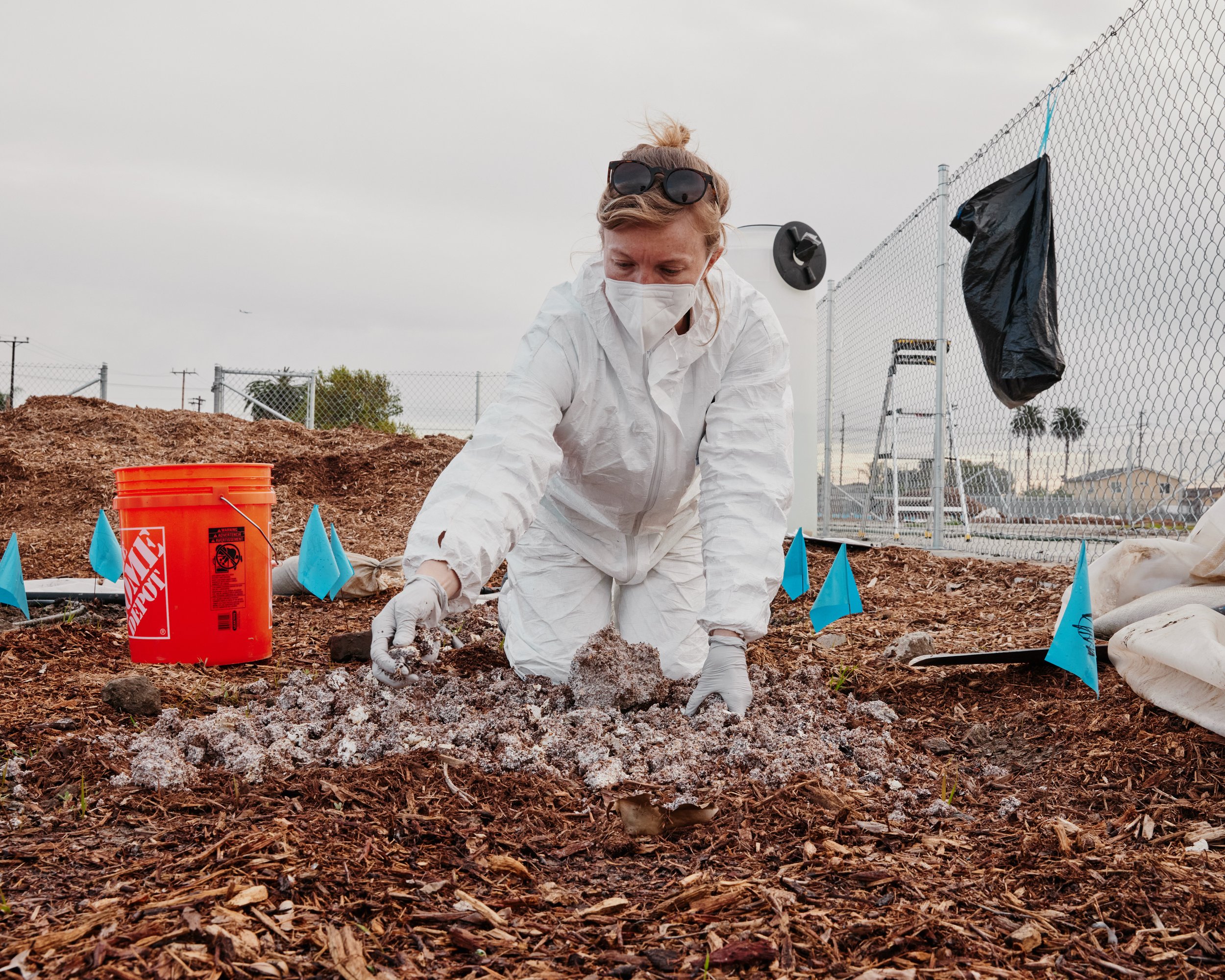
Danielle is an environmental toxicologist, mycologist, and educator dedicated to advancing community-based mycoremediation and ecological restoration with fungi. She is the Founder and Scientific Director of the Centre for Applied Ecological Remediation (CAER) and of DIY Fungi and Healing City Soils. Through research, education, and community partnerships, her work explores how fungi can help restore contaminated land and water, strengthen local resilience, and make environmental science more accessible. She has trained hundreds of community members and students in applied mycology and nature-based remediation while leading research on brownfield remediation and post-fire recovery.
-
-
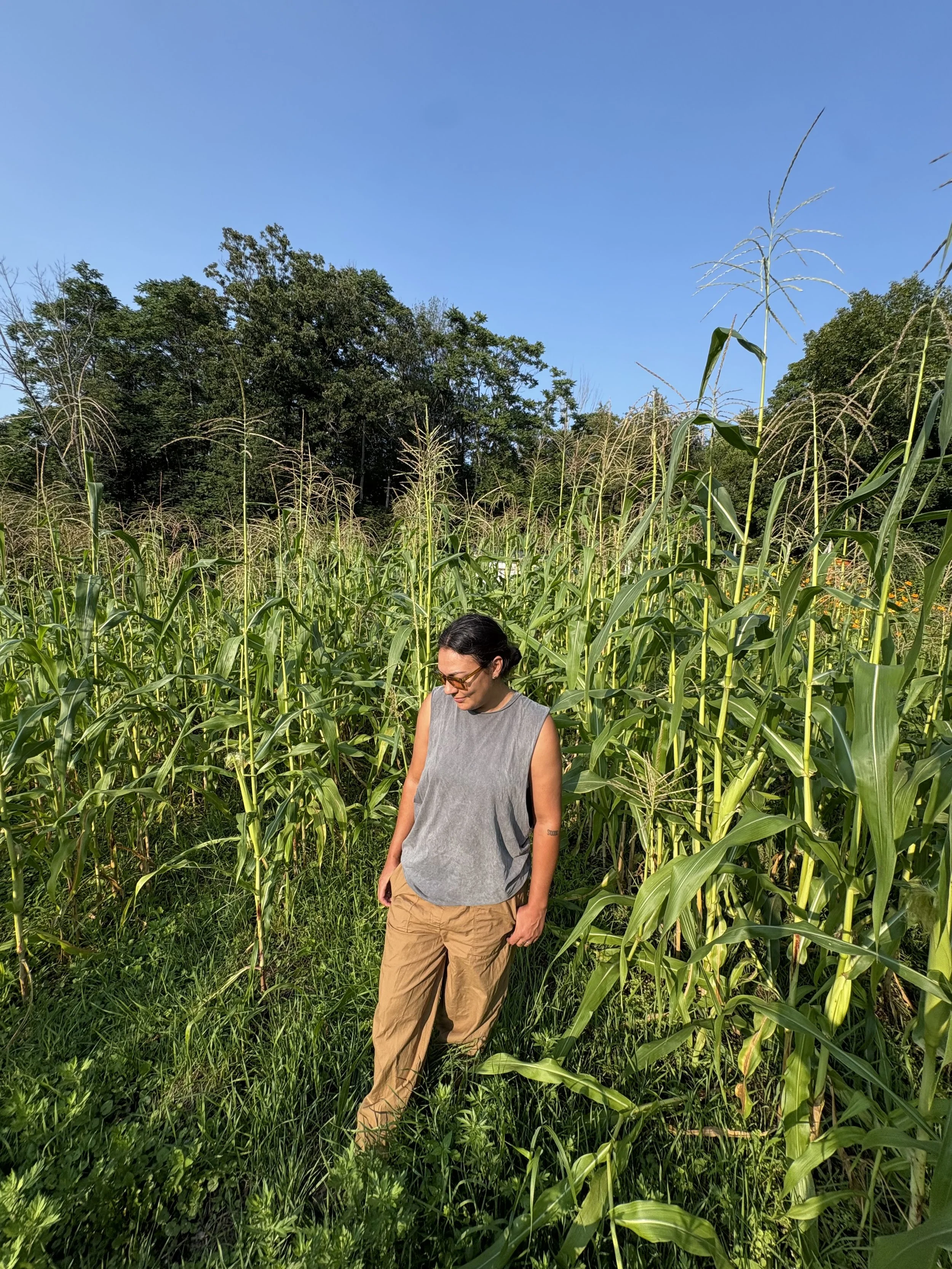
Dioganhdih Hall (Mohawk of Akwesasne) is a Haudenosaunee community member, two-spirit multi-disciplinary artist and land worker based in their traditional homelands in so called upstate New York. They weave hip hop lyricism and oration, beat production and sound engineering, ancestral food cultivation and seedkeeping, mutual aid and community organizing together. Their primary focus is claiming space for indigenous folks to re-indigenize and find movement and joy in the interconnected liberation of our bodies, spirit and land. Dioganhdih is currently building a decentralized rematriation, food sovereignty, mutual aid and art land project in upstate NY called Iron Path Farms. @dioganhdih @ironpathfarms
-
Calling all young explorers! Join us on a magical forest adventure to discover the hidden world of mushrooms. We'll use our super-senses to search for fungi and learn about the amazing "Wood Wide Web"—a secret mycelial network that helps trees talk to each other underground!
We'll practice being "forest friends" by collecting mushrooms respectfully, then we'll get creative! You'll get to sketch your favorite finds and catch real spores to make your very own living art prints.On this guided forest exploration, we will use our senses to observe mushrooms and the subtle magic of the mycelial network that connects the trees and soil beneath our feet.
Children will learn to identify the incredible diversity of fungal shapes, from delicate gills to sturdy brackets. We will practice respectful foraging, collecting mushrooms to observe their unique textures and forms. As we cultivate a sense of reverence for fungi, we will settle into a creative session to sketch our findings and capture spores to create living art prints.
Come ready to spark your curiosity and see the forest floor with new eyes. For children of all ages and their caregivers. Please accompany any child under 6 years of age.Family Friendly Offering
-
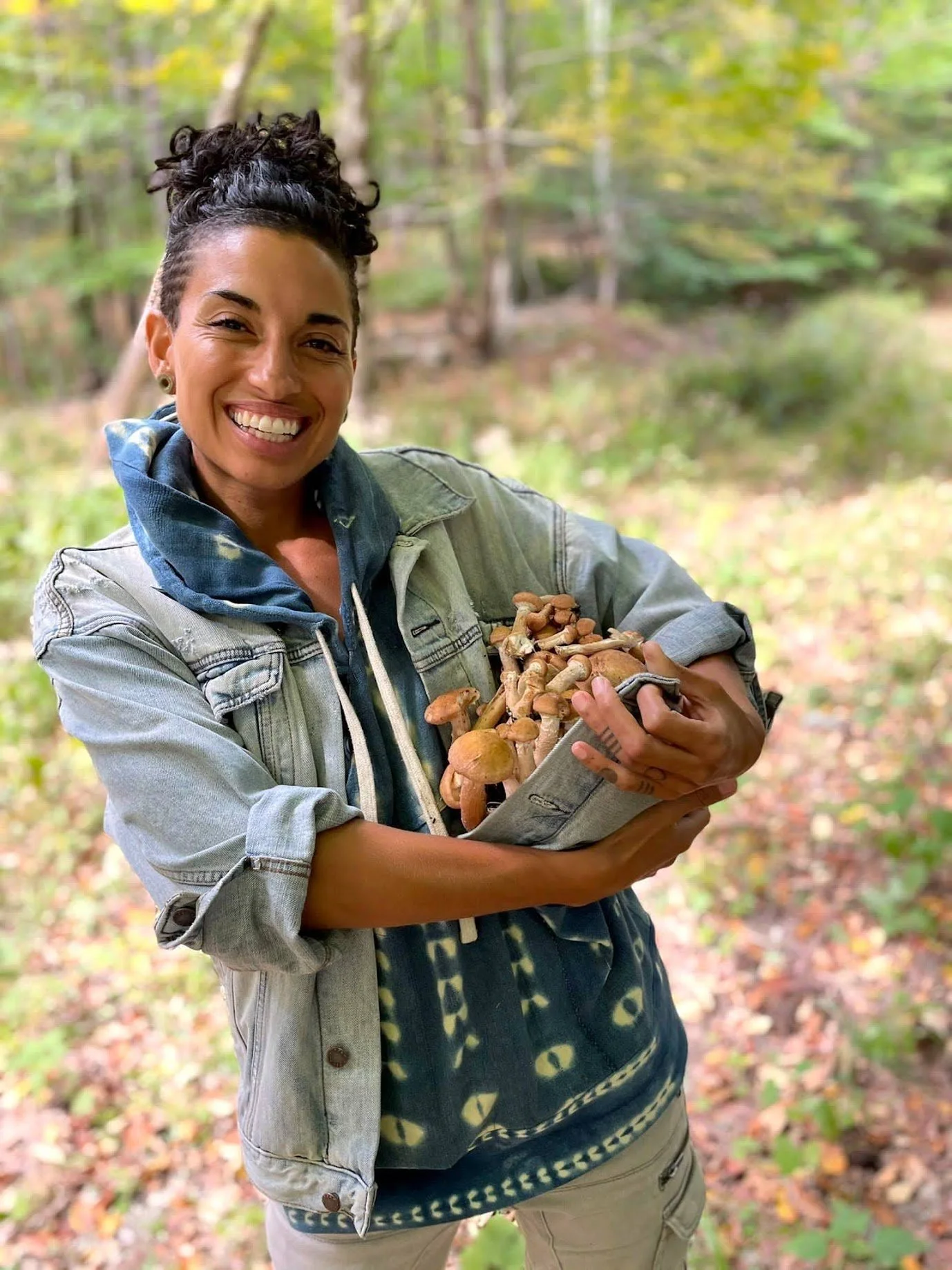
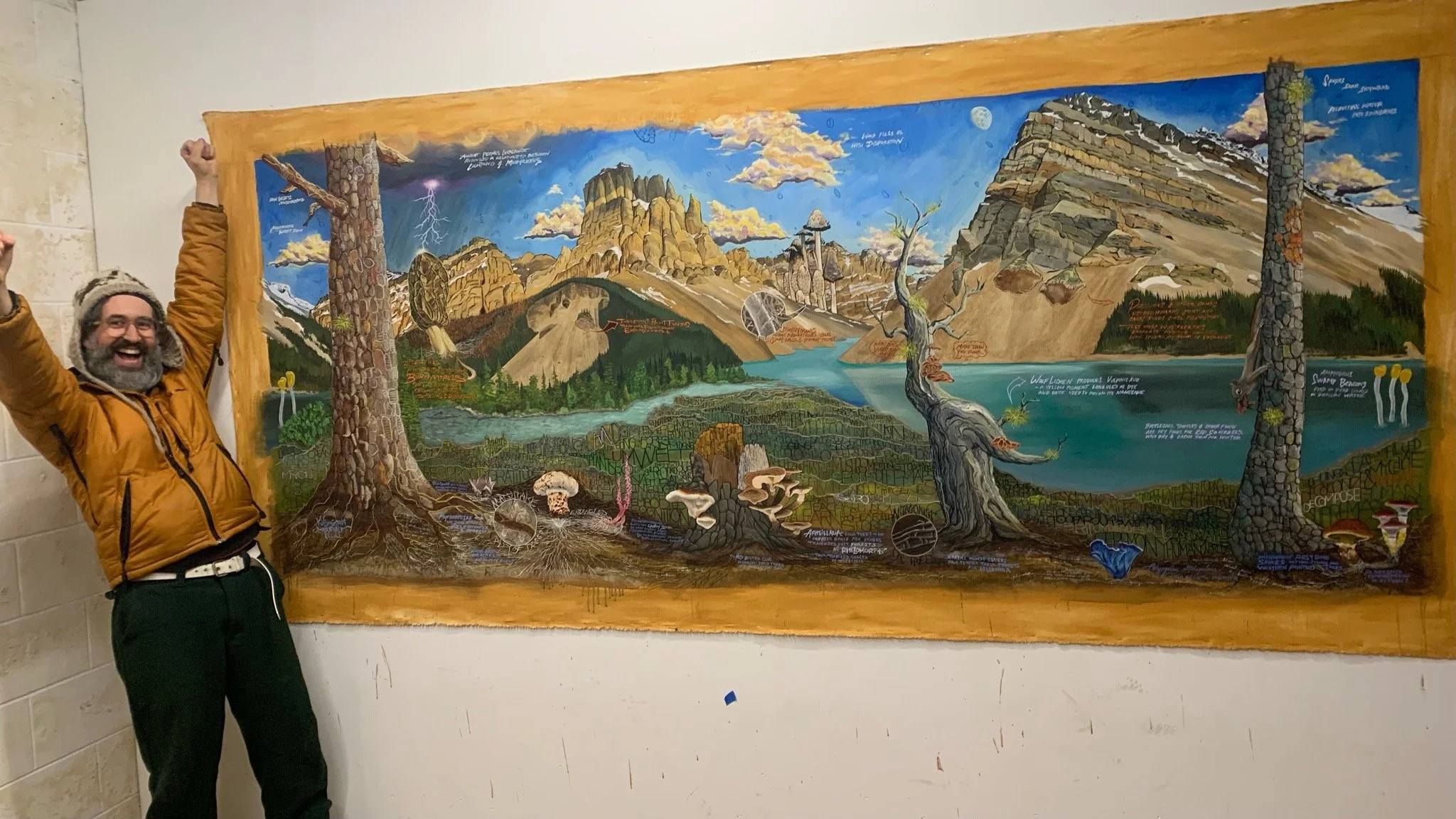
Naima Penniman is a freedom-forging futurist rooted in her ancestors’ brilliance. She is a devotee of seeds, a soulful story teller, a multidimensional artist, movement builder, medicine grower, healer, and educator. Life-long lover and defender of the Earth, Naima dedicates her creativity and community-building skills to regenerate practices towards planetary interdependence.
Naima serves as the Director of Education at SOUL FIRE FARM, where she equips a returning generation of Black, Brown and Indigenous farmers with the skills needed to reclaim leadership in the food system and chart dignified futures in relationship to land. She is the Co-Founder of WILDSEED, a BIPOC-led, land-based community focused on ecological collaboration, transformative justice, and intergenerational responsibility.
Published in All We Can Save, We Are Each Other’s Harvest, Poetry As Spellcasting, Farming While Black, A Darker Wilderness, Black Earth Wisdom and Semillas, Naima is a visionary poet whose performances have inspired thousands of people and movements across the world through the groundbreaking work of CLIMBING POETREE. Originating member of the Black healers collective, HARRIET’S APOTHECARY, and founder of the Haitian resilience project, AYITI RESURRECT, Naima is devoted to cultivating collaborations that elevate the healing of our earth, our bodies, our communities, lineages and descendants.
-
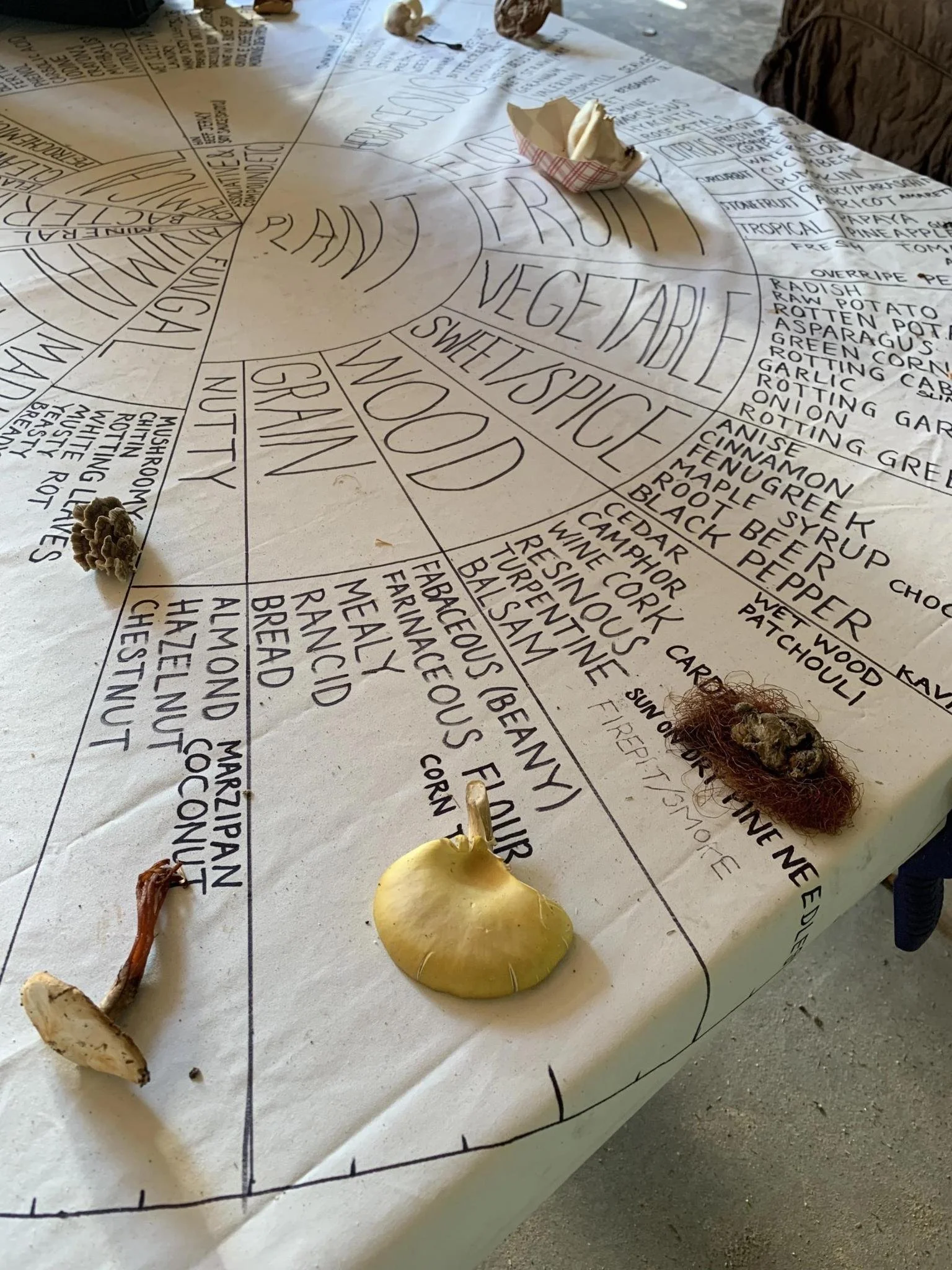
Follow your nose into encounters with fragrant fungi, and explore the possibilities of our shared chemical language. We’ll discuss what aromas are, how olfaction works, and what it does for both humans and fungi. We’ll give our noses and brains an olfactory workout by classifying mushrooms on the Aromatic Wheel of Fungi*. This experimental tool invites us to recognize, identify, analyse, appreciate and discuss the extraordinary range of aromas emitted by the diversity of macrofungi. The wide spectrum is organized in tiers, from general odour families to specific descriptors eliciting curiosity, imagination, stories, memories, and a spectrum of emotions from delight to disgust. We’ll engage in drawing games and creative writings inspired by mushroom-inspired perfumes and fragrance materials, so get ready to experience mushrooms in new ways – not only as organisms, but as portals into imagination, connection, and the unseen, yet essential relationships that shape our world.
Bring your sketchbook/notebook if you have one, but materials will be provided.
*Willoughby co-created this workshop and the Aromatic Wheel of Fungi with Isabelle Kirouac, who could not be present at this summit.Family Friendly
-
Willoughby Arévalo is passionate about connecting people with the living world and the nature inside themselves through direct interaction, knowledge sharing and artistic process. His perspective is informed by relational worldviews, place, tradition, science, story, and the lifeways of our more-than-human-kin. His approach involves multisensory attention, collaboration and interplay. Willoughby has been a student of fungi and the living world in general since his childhood. He has shared teachings from fungi and plants extensively over the last 15+ years, locally, across North America and in Europe, in part through his book DIY Mushroom Cultivation. He and Isabelle Kirouac co-founded the Art & Fungi Project, which offers fungi-related art processes and experiences for the public, often in school and community-engaged contexts. He is honored and proud to have presented at every New Moon Mycology Summit.
-
Perilla frutescens—known as kkaennip in Korean and shiso in Japanese—that explores how plants carry histories of migration, colonization, and cultural translation. The work draws from interviews, conversations, and collaborative encounters with seed savers, farmers, botanists, cooks, and others with relationships to Perilla, making use of these exchanges as both research material and generative approaches to my creative practice. Combining botanical research with embodied engagement in cultivation and cooking practices, Exsiccata Diaspora: Perilla places historical documentation in dialogue with contemporary plant knowledge.
-
Sometimes we happen upon a large quantity of mushrooms and want to preserve them for future enjoyment, but dehydration isn’t appropriate for the variety. In this workshop we will sample and explore brine-based methods for preserving edible mushrooms. Techniques include: salt brine, vinegar brine, and kimchi.
Family Friendly Offering
-
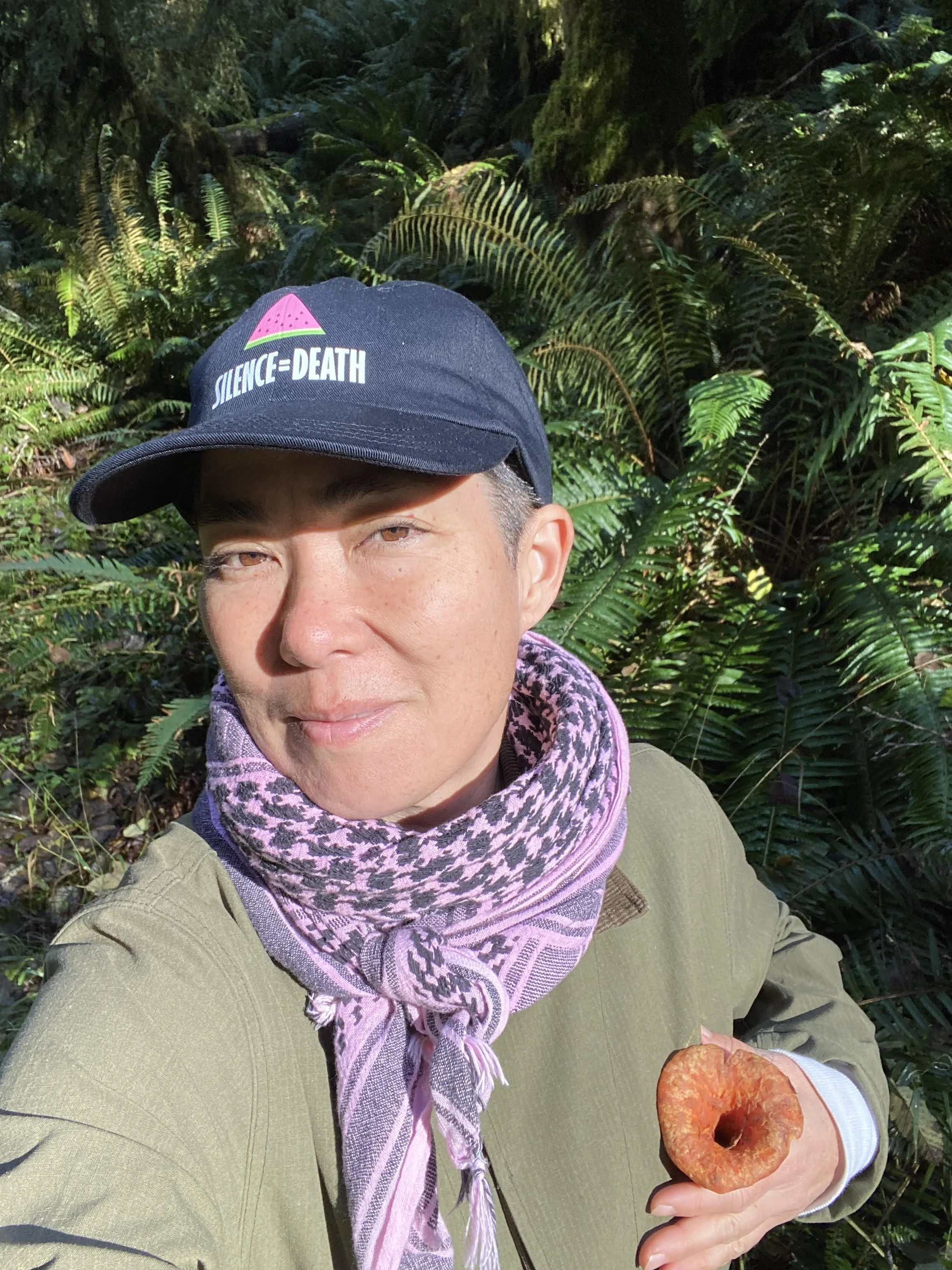
Ginger Brooks-Takahashi is a transdisciplinary artist and educator. Her performance, installation, and site responsive works examine our relationships to the mediums that connect us. These public projects are platforms for intimate interaction, an extension of feminist and queer praxis. Ginger’s work in foodways, foraging, and other folk traditions inform her practice of being rooted in place. Recently, she created Perilla People’s Garden for the 59th Carnegie International. She received her BA from Oberlin College, 1999; attended the Whitney Independent Study Program, 2007; and her MFA from the School of the Art Institute of Chicago.
-
This talk reframes the revelations of the Epstein class not as evidence of political corruption, but as a map of industrial capitalism's "waste logic", applied to both land and living organisms. Using fungi as its lens, it explores how decomposition—not purity—offers a model for transforming contamination. It then expands into the evolution of fungal metabolism, the imbalance of accumulation, the accelerationist trap (left vs. right), Traditional Ecological Knowledge, and the latest research on collective consciousness—inviting us to be unburdened not through denial, but through recognizing that trauma was never ours to carry alone.
-
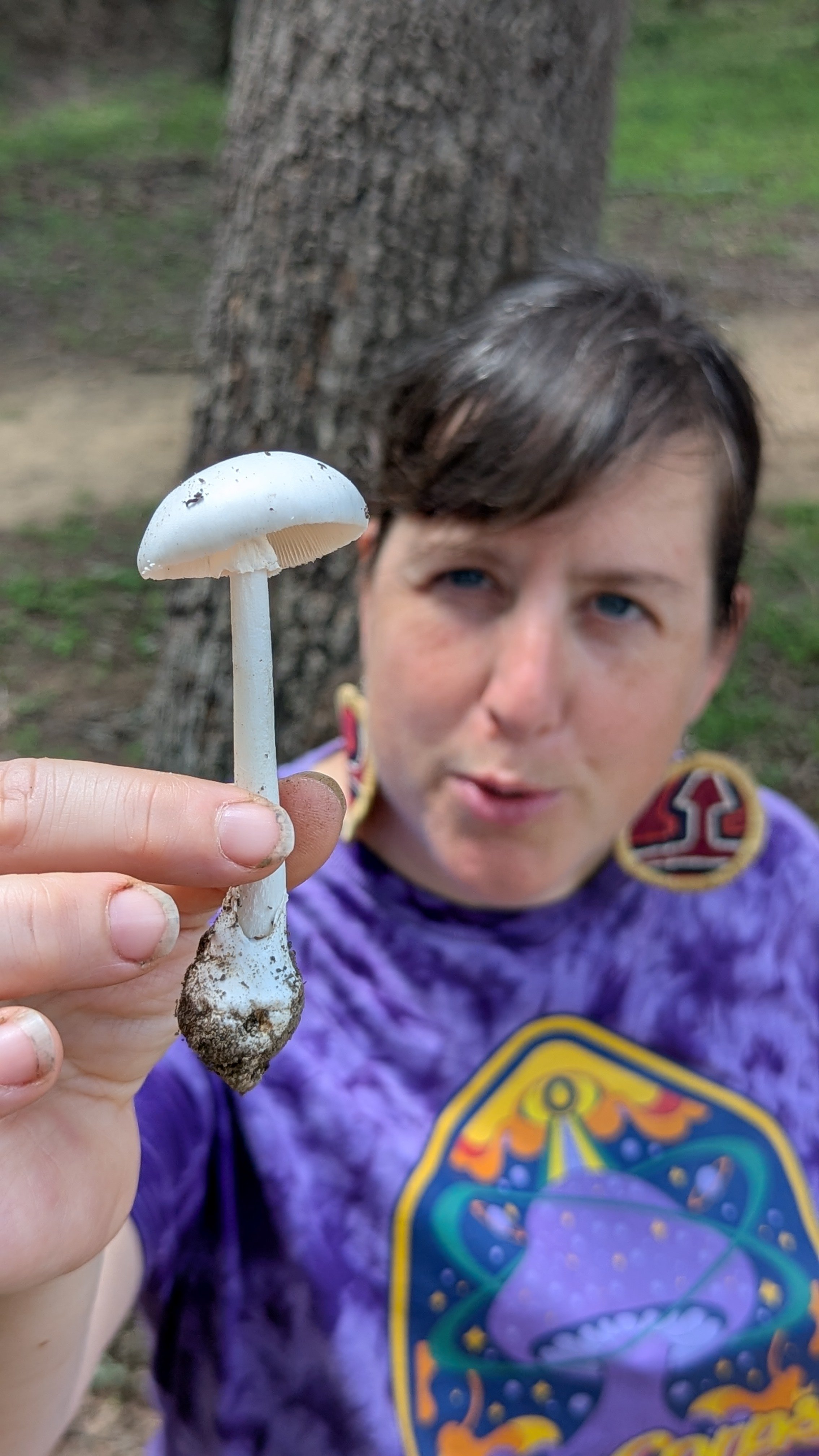
Raised in Missouri with ten siblings, their first mushroom was the Destroying Angel—a fitting introduction to the power and mystery of fungi. Before leading Central Texas Mycological Society, they worked as an experience designer and animator in tech, then left to tap into the earth’s mycelial network. Now a forager, urban gardener, and mycology educator, they help communities connect to the fungal kingdom through joyful, community-powered practices—from growing mushrooms on recycled blocks to using mycorrhizae for drought resilience, building both soil and solidarity.
Central Texas Mycological Society
Follow her foraging adventures on Instagram.
-
Mushroom Oleoresin Production: Beyond Fruiting Body Extracts
This presentation explores mushroom oleoresin production as a modern approach to concentrated fungal extracts, with samples offered throughout the session. We’ll look at why “fruiting body only” is not always the best standard, and how different fungal materials can offer different chemistry, texture, potency, and applications.
The talk will cover when mycelium extraction makes sense, how to think about fruiting body vs. mycelium vs. whole-culture extracts, and why extraction method matters as much as the starting material. We’ll discuss alcohol, water, dual extraction, concentration into oleoresins, and how these processes can change the final product.
A major focus will be standardization: moving beyond vague claims and toward measurable compounds, repeatable processes, batch records, and third-party lab testing. Attendees will leave with a clearer understanding of how mushroom extracts are made, why potency should be verified, and how oleoresins can open new possibilities for functional foods, tinctures, honeys, chocolates, and other value-added products.
-
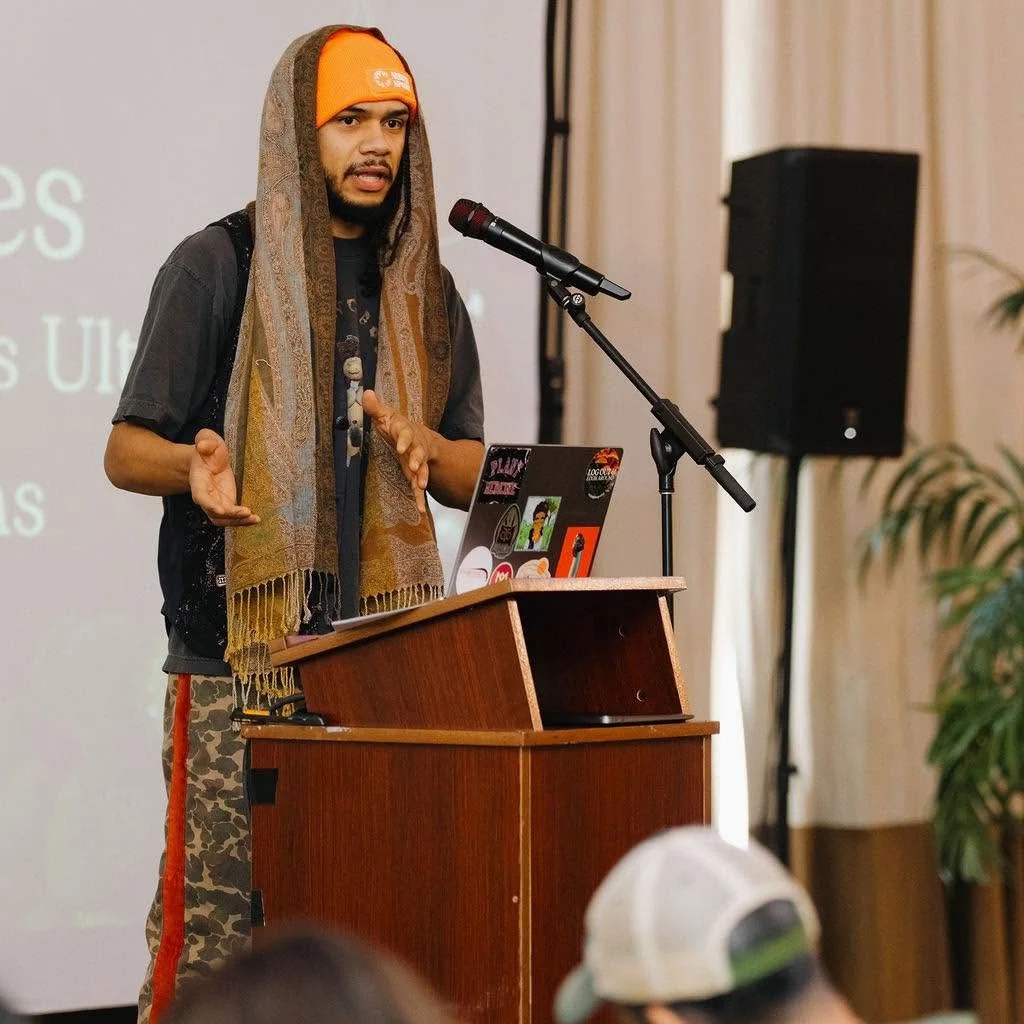
William Padilla-Brown is a citizen scientist, mycologist, phycologist, educator, and founder of MycoSymbiotics LLC. His work focuses on functional mushroom and botanical extraction, saffron standardization, native truffle agroforestry, regenerative agriculture, and community science. Through MycoSymbiotics, MycoFest, the Hericium Cup, and his grant-supported native truffle research, he bridges field ecology, laboratory analytics, small-batch product development, and public education.
-
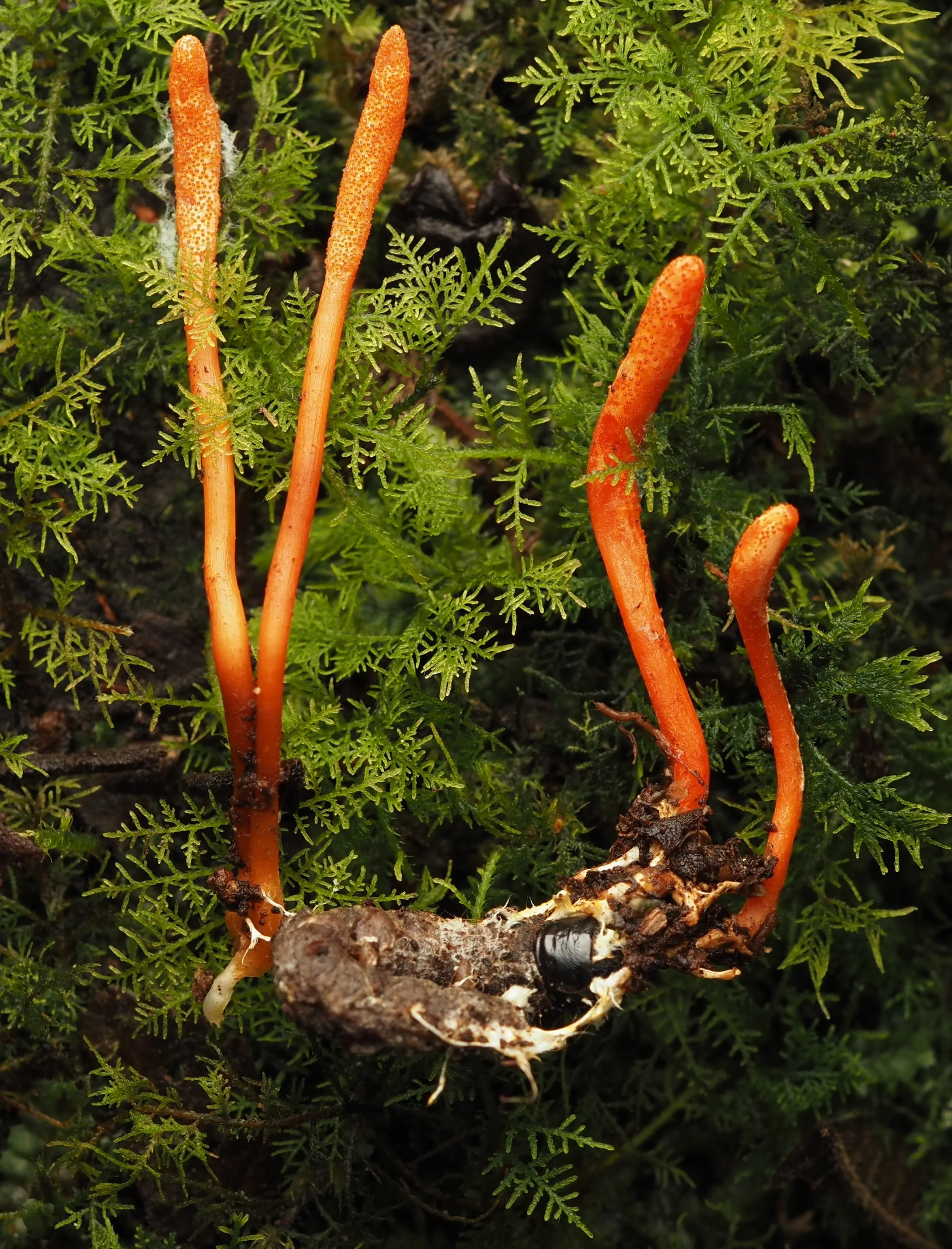
Sharing indigenous knowledge about Cordyceps from this continent and exploring stories as a way to ignite the imagination and retain knowledge.
-
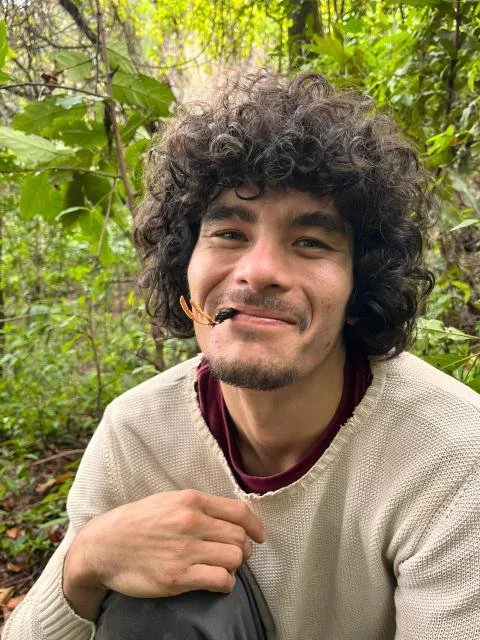
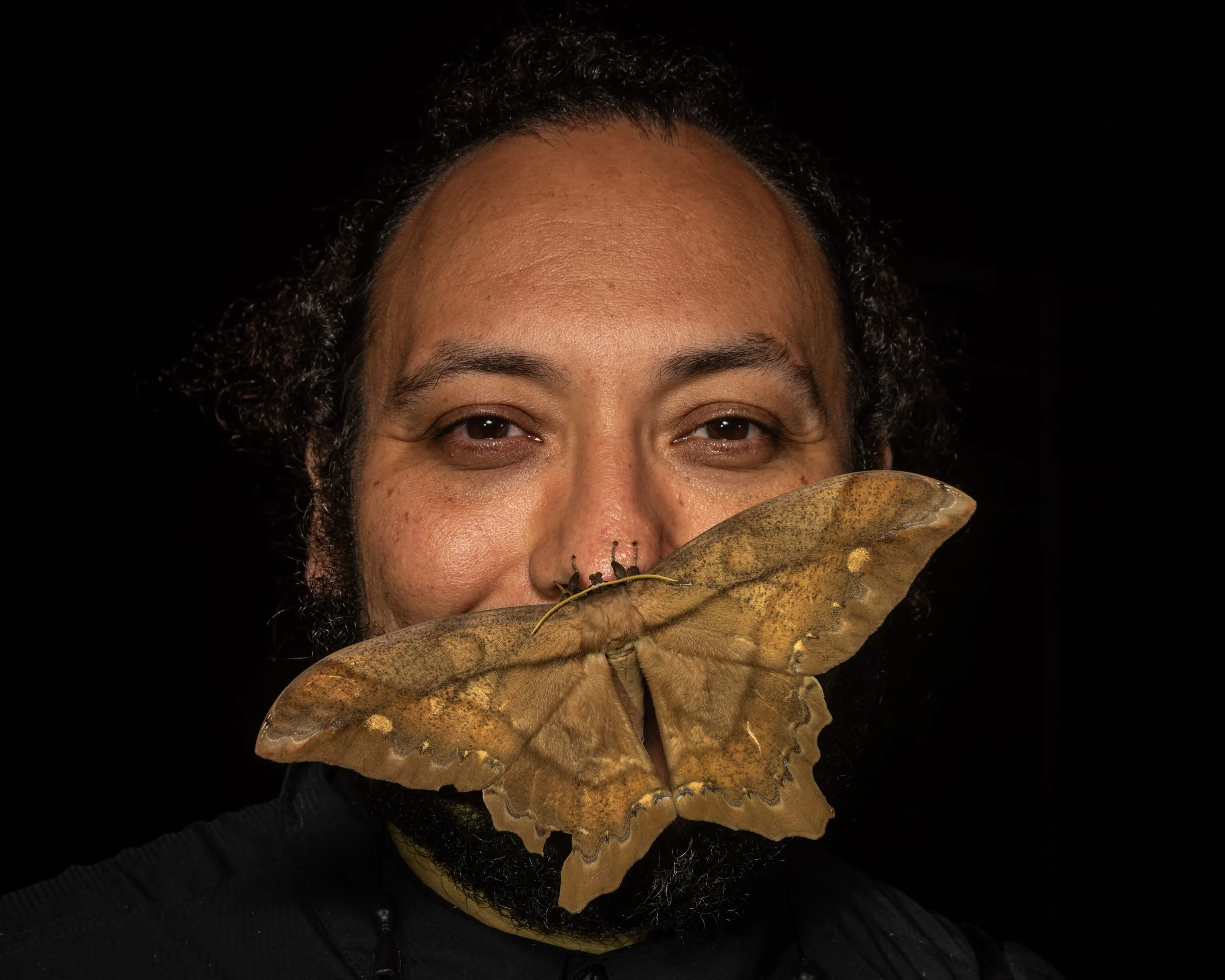
Robert has been an amateur mycologist since 2006. In 2014, he co-founded Gulf Coast Mushrooms where he grew edible and medicinal mushrooms in Sarasota, Florida. In 2016, he published Common South Florida Fungi, a field guide of mushrooms local to that area. Robert moved in 2017 to Tepoztlán, Morelos, México. In 2024, he self-published Carnivorous Mushrooms of the Obsidian Butterfly, a guide for entomopathogenic fungi of Central Mexico
Robert has given talks and workshops about entomopathogenic fungi as well as Tempeh growing workshops in Morelos, Mexico City, Mexico State, Oaxaca, and Jalisco. Some of the mushroom fairs he’s participated include amongst others: BioFungaFest, Mushroom Fair of Las Lagunas de Zempoala, FungiFest, and Fiesta de Hongos Mixtecos. His passion is in hunting and documenting wild entomopathogenic fungi. He also grows Cordyceps militaris as medicine and is doing genetic work to cultivate local wild edible mushrooms like “Trainwrecker” and “American Shiita
-
Join us for a Cordyceps foray as we step into the forest together to learn how to find, photograph, and identify entomopathogenic fungi. Mandie Quark will document each species through photography, helping preserve the beauty and detail of each find. Robert Kelly will assist with identification and share insight into each of the species we encounter. This foray is an invitation to slow down, observe closely, and connect with the ecological relationships between fungi and insects.
-
Fungi and moths are both under-documented, and scientists have likely described only a small fraction of nocturnal Lepidoptera species. Join Mandie for an evening at the moth light, where a dazzling cast of moths and other local insects will gather for close observation. Using UV and white light, participants will have the chance to photograph these visitors, upload observations to iNaturalist, and contribute to community science while discovering the rich overlap between fungi and insect ecology. All experience levels are welcome — just bring your curiosity and a camera or cell phone.
(weather dependent activit)
Family Friendly Offering
-
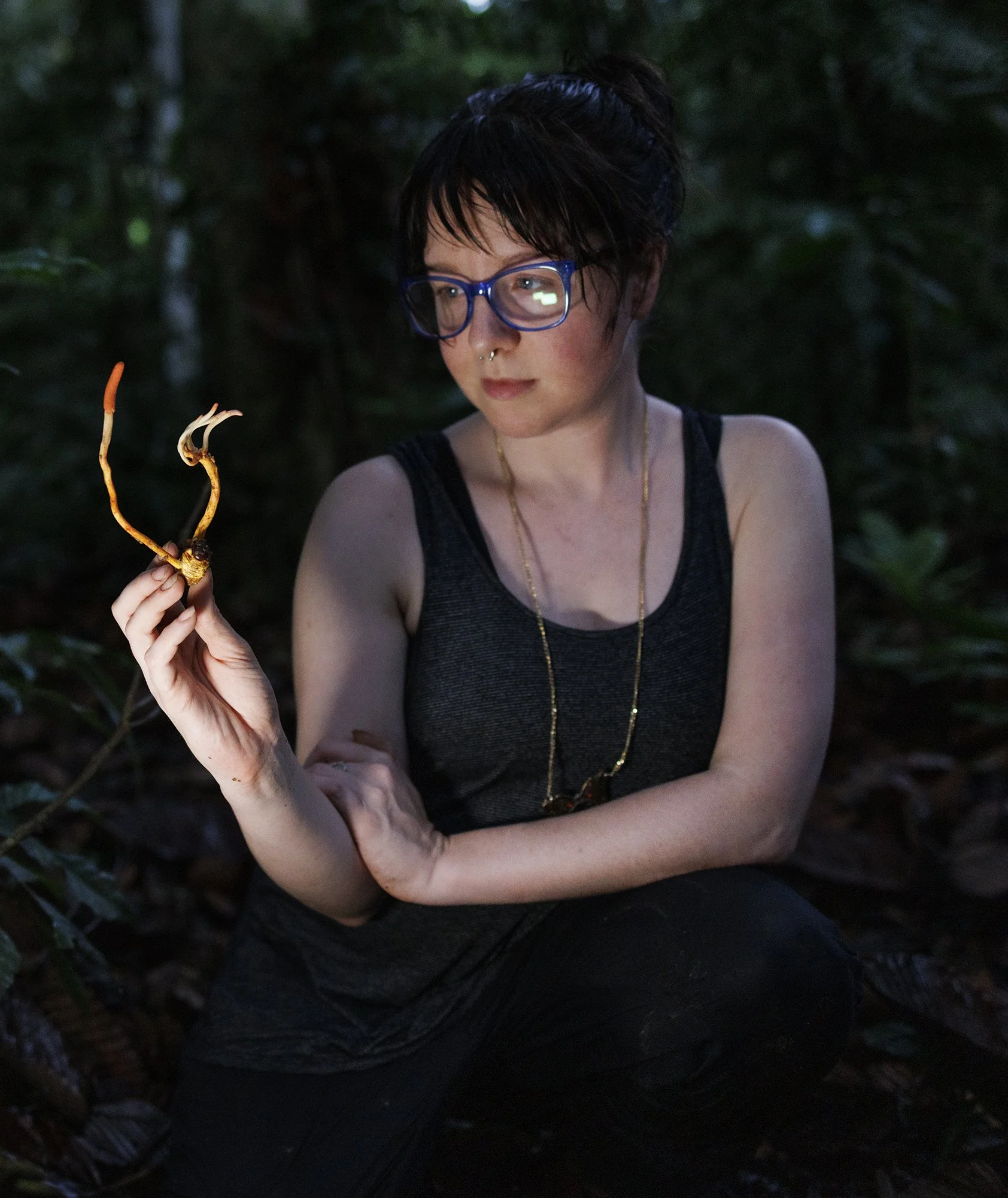
Molecular biologist and science writer by training, Mandie Quark is a mycology researcher, field photographer, and communicator dedicated to expanding public understanding of fungi. With more than a decade of experience sharing fungal diversity, she brings together science, storytelling, and visual documentation to make complex topics accessible and engaging. She especially enjoys photographing and documenting rare fungi in under-explored biodiversity hotspots around the world.
Over the course of her career, Mandie has edited books, delivered talks at international mycology events, and built a reputation for translating current mycological research into compelling presentations for broad audiences. Through biodiversity forays in places like Ecuador, Peru, and Costa Rica, she helps connect global communities of nature enthusiasts with fungi and other inadequately documented taxa, with a special interest in fungal entomopathogens. In 2023, Mandie co-founded Mycena LLC, and since then her work has been featured in The Guardian and The New York Times.
-
On this walk through the surrounding forest, we'll learn the identification, medicinal use, and sustainable harvest of the numerous medicinal trees of the northeast and their mushroom pairs, such as Eastern Hemlock-Reishi, Oak-Maitake, Birch-Birch Polypore, the favorite trees of Turkey Tail, Lion's Mane, Oysters and more. The northeast is over 75% forested, and learning tree identification is a pathway into assessing potential mushroom habitat and a wonderful way to deepen one's relationship with the forest. Participants will learn to read the herbal landscape and meet the incredible medicinal trees and mushrooms of the northeast.
Family Friendly Offering
-
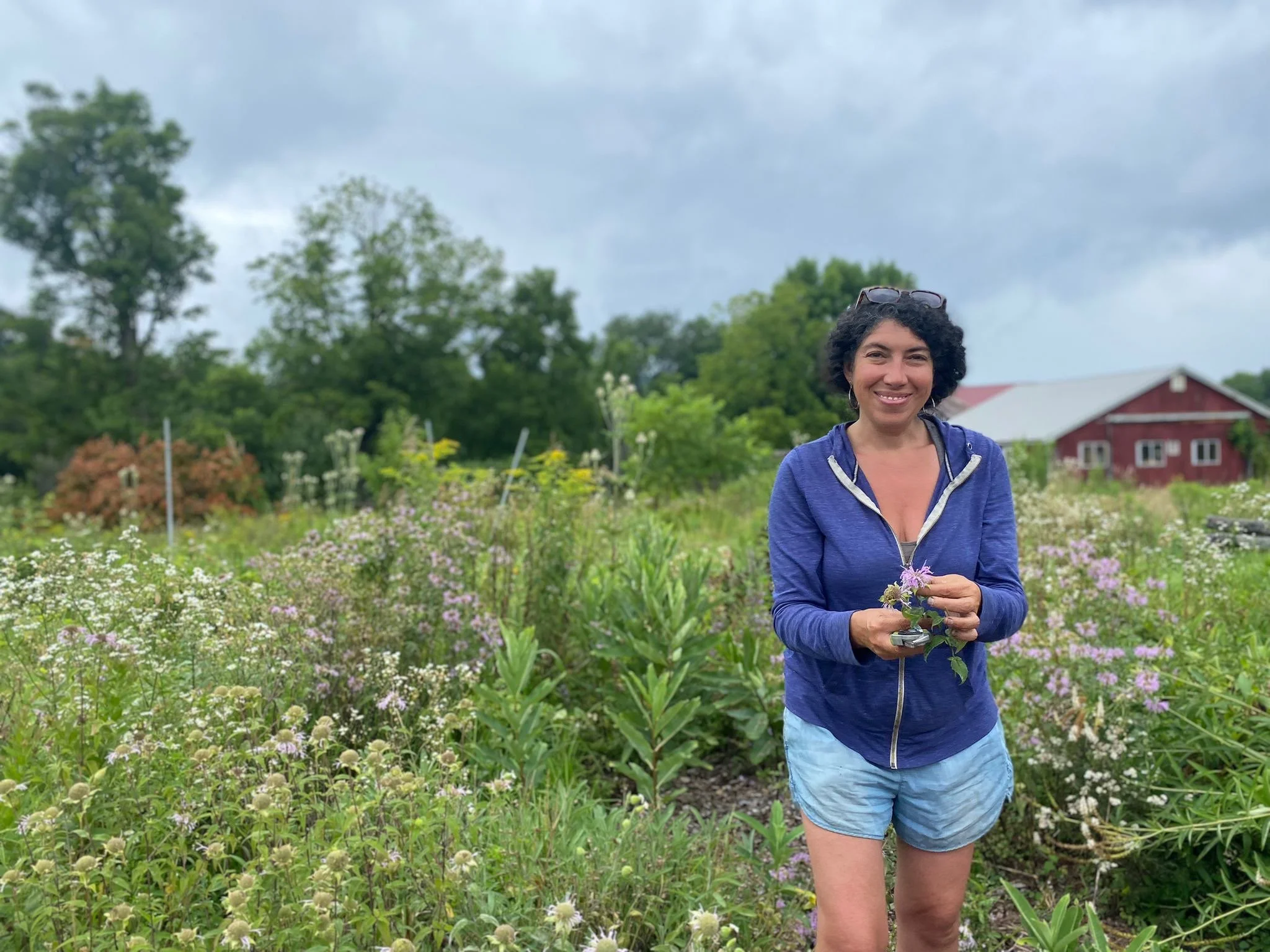
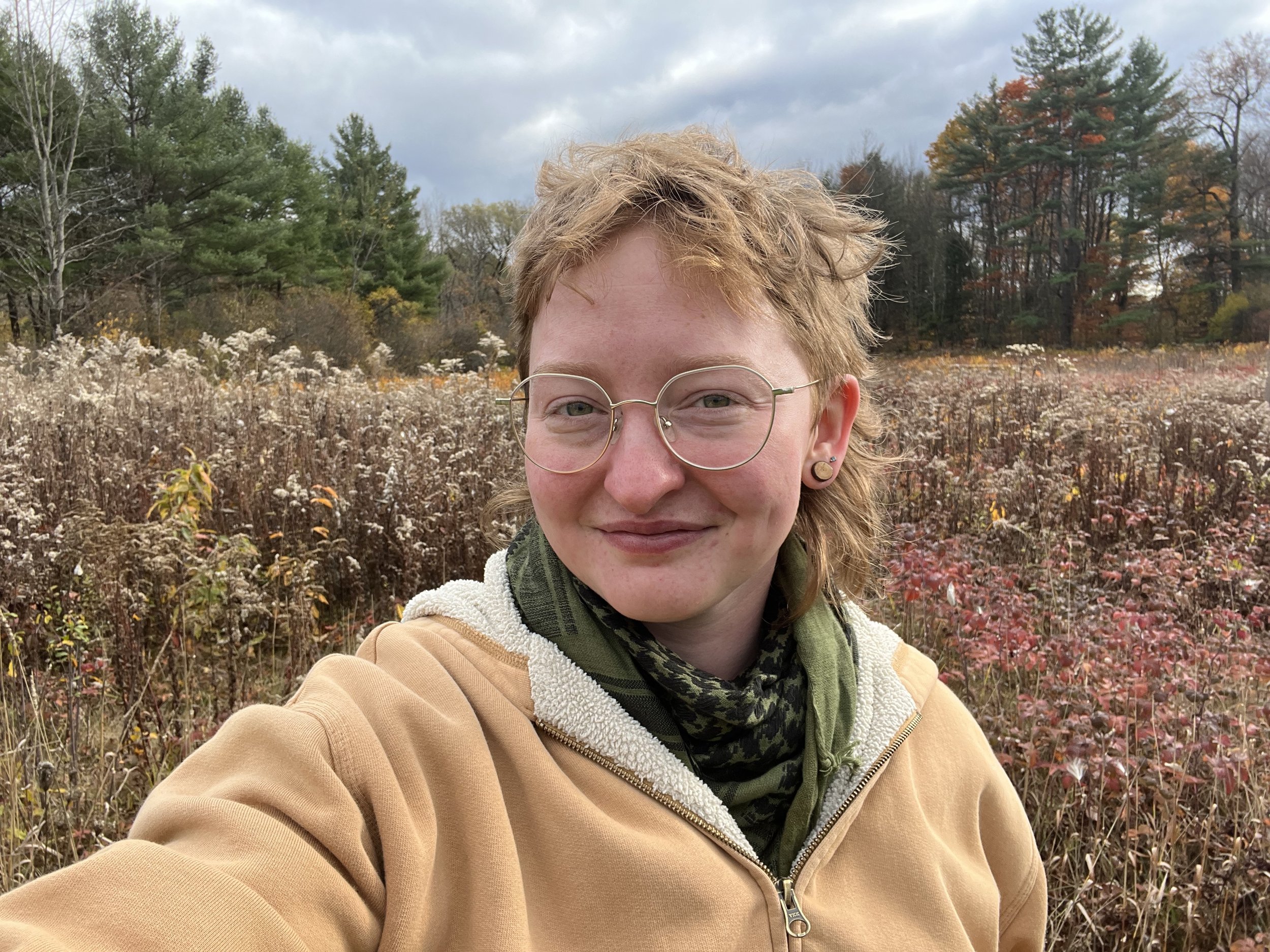
Jade Alicandro is an educator, animist, mother, citizen scientist and herbalist based in the Connecticut River valley of western Massachusetts. She has been a practicing herbalist since 2012 and enamored with the green world since childhood. Her herbal obsessions include bioregional herbalism, tree medicine, working with maligned weeds and displaced plant relatives, kitchen medicine and accessible herbalism. Connecting people with plants is the heart of her work, mainly through the container of Milk & Honey Herbs Forever in love with the weeds, her current favorite plants are Nettles, Japanese Knotweed and Multiflora Rose. Learn more about her work at www.milkandhoneyherbs.com or @milkandhoneyherbs
-
Papermaking and Natural Dyeing are two craft practices that involve making art directly with the bodies of plants and mushrooms, and both offer versatile pathways for creative expression. We'll explore the process of turning plant fibers and mushrooms into sheets of beautiful handmade paper, as well as how to dye paper pulp and textiles with natural dyes. Everyone will be able to make some paper and dye a bandanna to take home with them. We'll also discuss ethical harvesting practices and how to identify or cultivate species suitable for fiber arts. Maximum 20 participants.
Family Friendly Offering
-
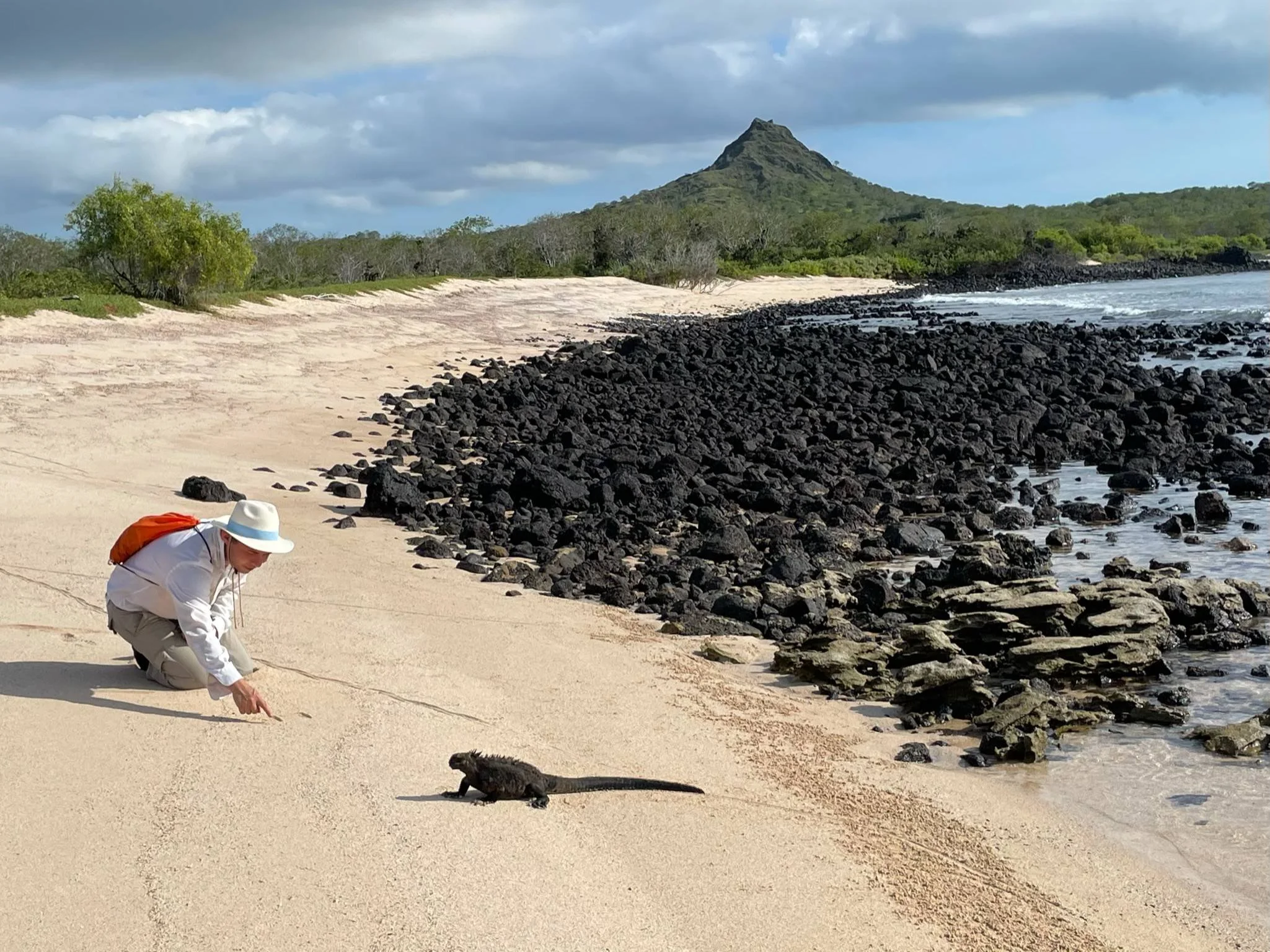
Emma is an interdisciplinary eco-artist, herbalist, community organizer, and educator. Their work focuses on building intimacy with the more-than-human world through daily observation, seasonal rituals, and creative practice with natural materials. They live on the edge of the Connecticut River in Vermont, part of the traditional homelands of the Abenaki people, with their partner, dog, and gardens.
-
With record mushroom poisonings on the rise due enitrely to AI, this is a beginners mushroom discussion about the dangers of new technology. A didactic what you need to know about AI foraging guides, apps, in a longer term view. A open discussion to follow.
-
We won't walk far looking under logs and leaves for overlooked fungi. Join us for a mushroom + fungi walk into the smaller worlds often less appreciated in the forest. Slime molds, Lichens and more!
Family Friendly Offering
-
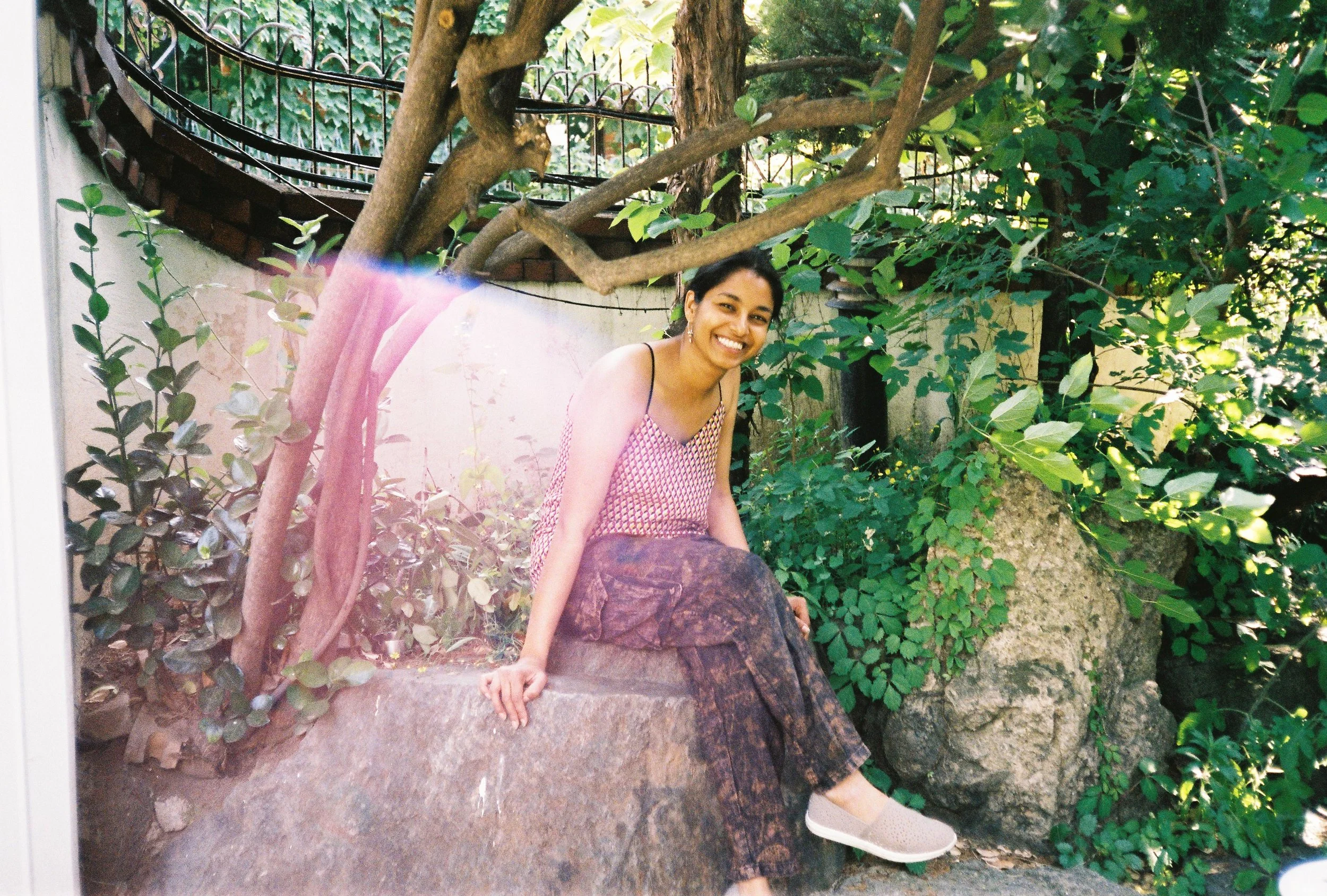
While executing field surveys across varied ecosystems, Zaac discovers rare species with Harvard, the New York Botanical Gardens and the National Park Service. Some are new species. Having bicycled across multiple countries subsisting (partially) on wild mushrooms and documenting the ecological disasters of large-scale hydropower, Zaac is currently compiling these field notes into an upcoming book. To fund fungal obsessions, Zaac owns and operates a software company dedicated to keeping legacy hardware out of landfills.
-
This creative workshop will introduce the art and science of fungal pigments, including identifying wild species, as well as extraction methods for dyes, inks and stains, and their application. The presentation will explore novel pigments such as fungal melanin, UV-fluorescent, spalting, and lichen-derived pigments. The workshop will conclude with a studio session, where participants will paint with a selection of fungal pigments on wood.
Family Friendly offering
-
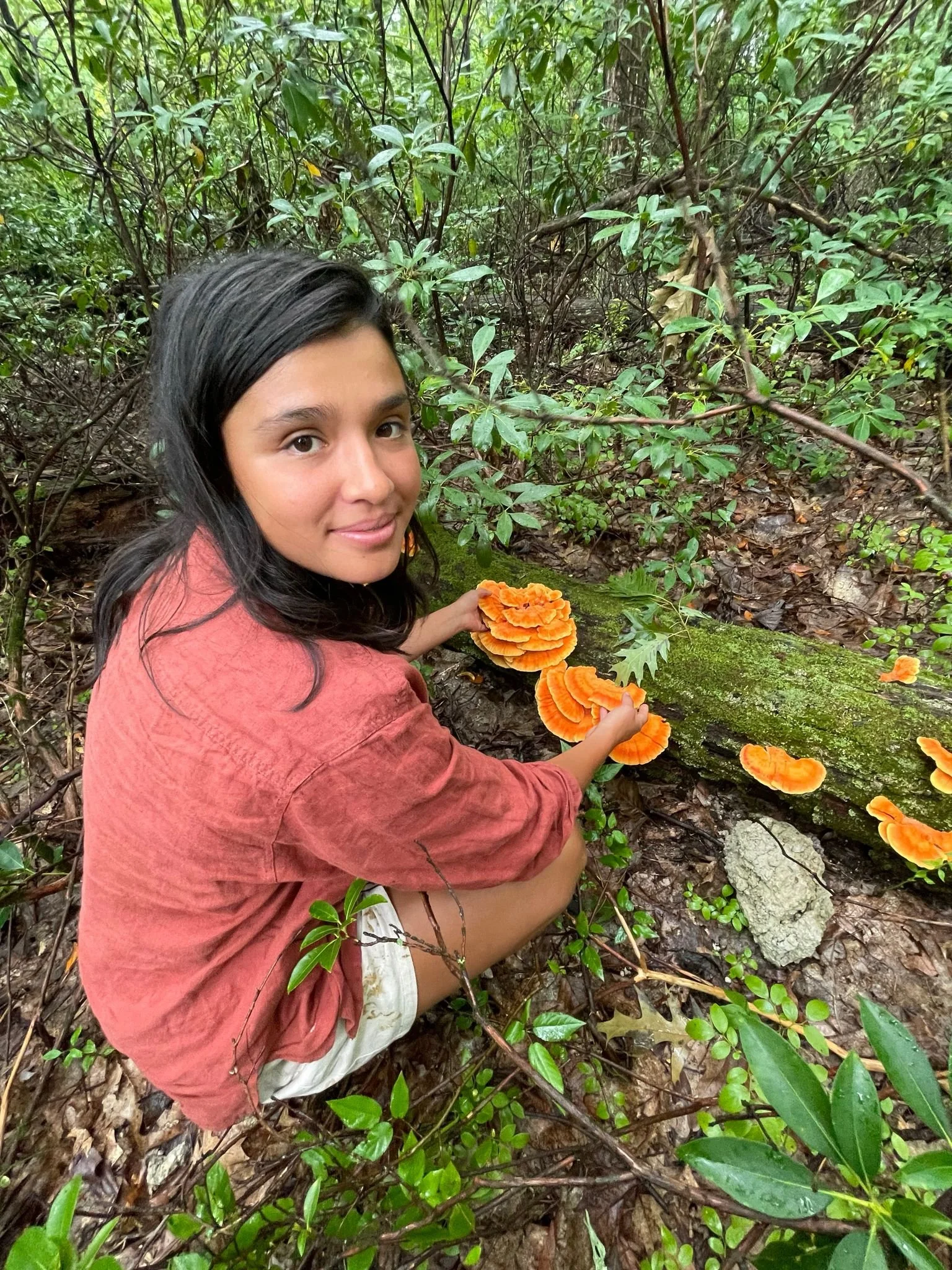
Sneha Ganguly is an interdisciplinary artist, also known as Kali Mushrooms. Sneha identifies and studies wild fungi with a special interest in biological materials and pigments, and synthesizes their alchemical and chitinous properties to create handmade papers, inks, dyes and extracts. Her work explores the potential of novel mushroom-based materials, including extraordinary pigments such as melanin, decay processes such as spalting, and unique methods such as fermentation dyeing. Her current research and aesthetic interests speculate fungal materiality, technologies and futures.
-
Join herbalist, educator and founder of Herban Cura for some fun in the woods! We will be Activating and strengthening our senses through playing fun community games. There will definitely be laughter, getting dirty and learning involved.
Family Friendly Offering
-
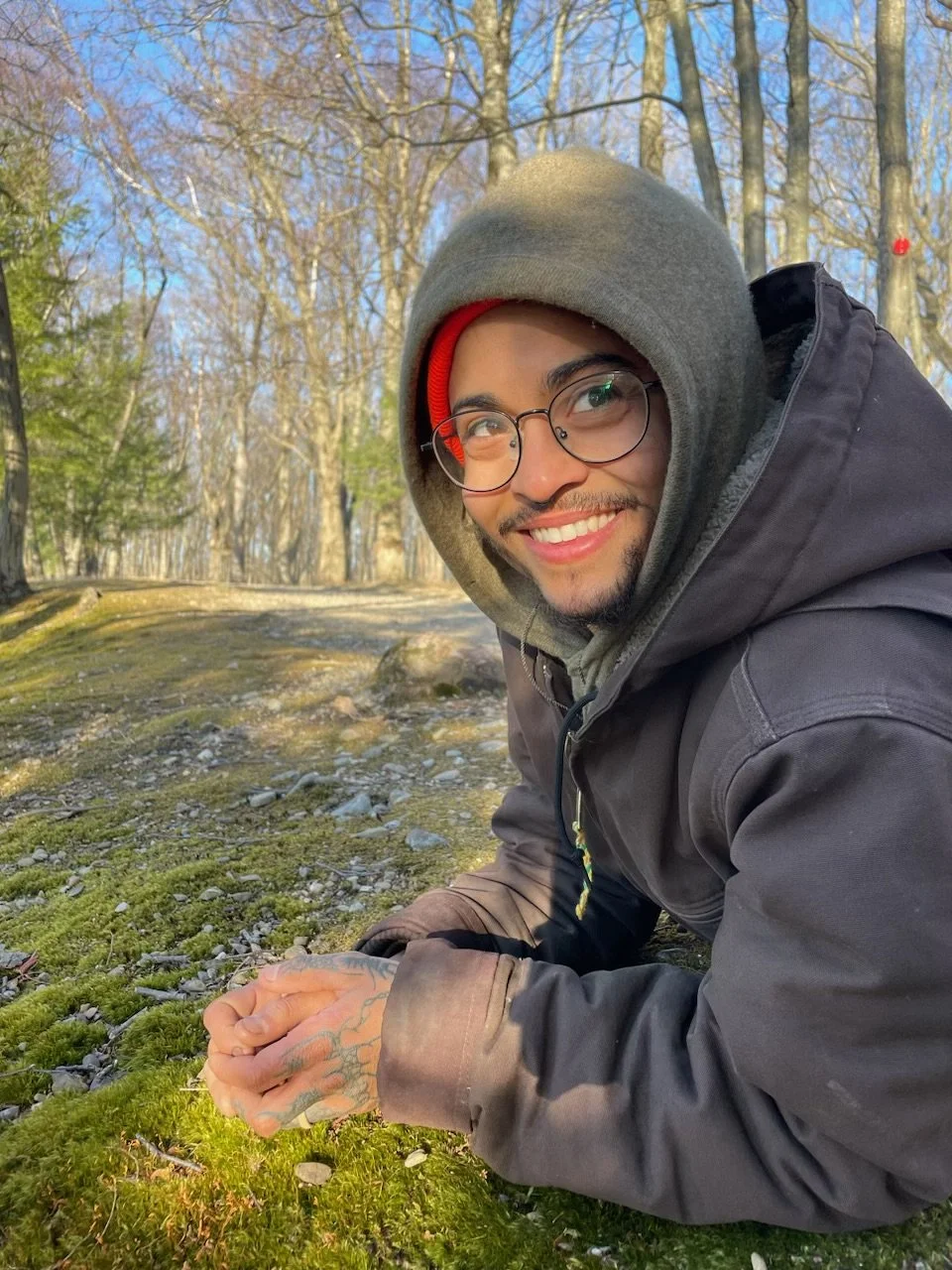
Antonia Estela Pérez is a Chilean-American herbalist, gardener, educator, community organizer, and artist based in New York. Growing up at the intersections of land stewardship, education, and social justice, they developed a lifelong relationship with plants as a way of restoring connection to land, memory, and community. They are the founder of Herban Cura, a healing justice, herbalism and ecology school that centers Indigenous, Black, Queer, and Trans voices through knowledge shares, the Plants to the People mutual aid program, and an herbal CSA.
-
Learn about different friction fire uses across space and time and get hands-on practice birthing a fire by friction!
Family Friendly Offering
-
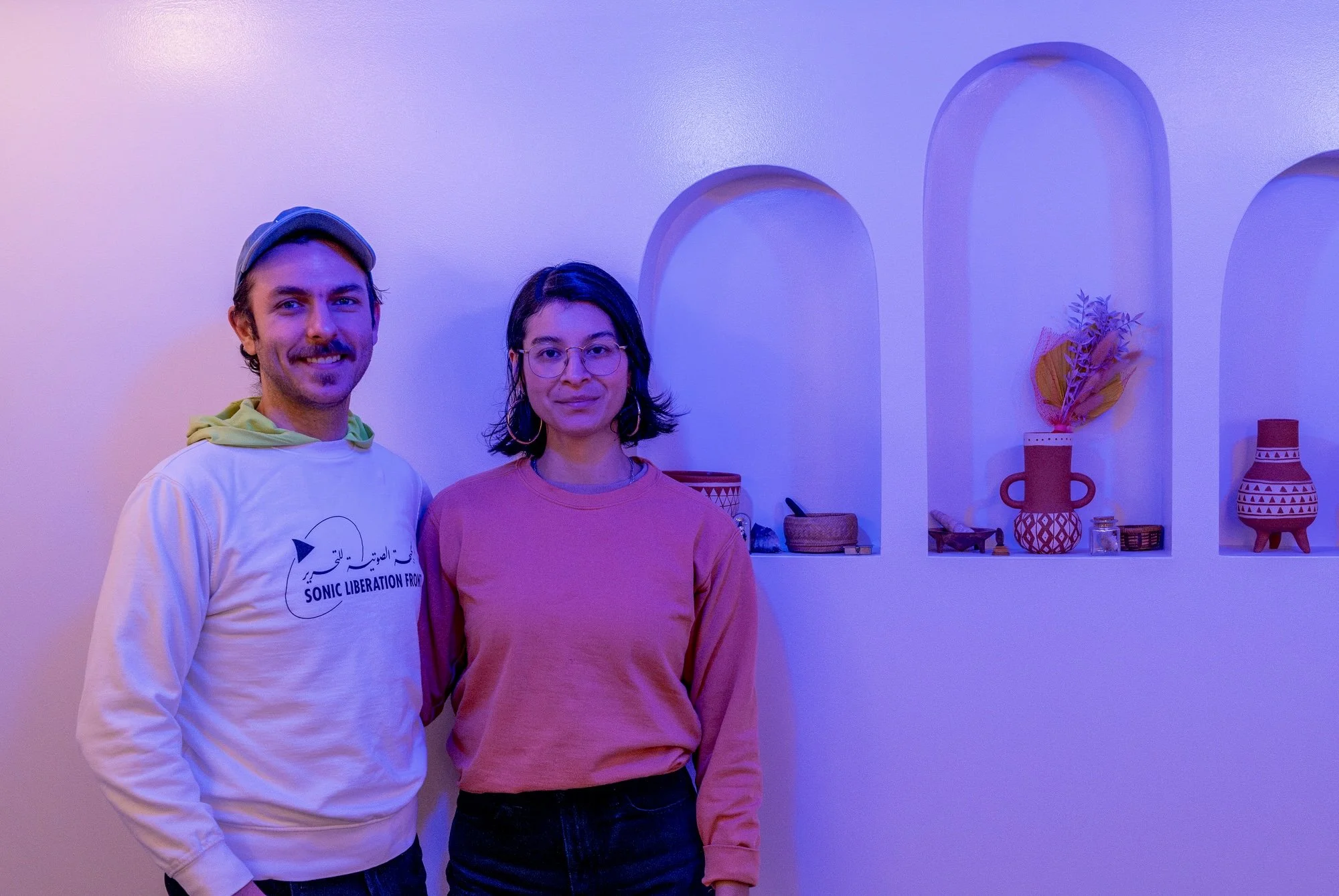
iRaei Bridges is a creature of the land, a weaver of connections, a creator of many things, founder of Black&Wild & youth educator +nature connection mentor.
-
In this workshop and conversation we will be demonstrating the preparation of an infused vinegar with seasonal fruit, herbs, mushrooms and honey using a folk intuitive method. Drinking vinegars, shrubs and oxymels are traditional methods for herbal infusions and fruit preservation with origins connected to present day SWANA region. Shrubs can be used as exciting ingredients for mocktails, tonics, cocktails, salad dressings, desserts and more. This demo will be tasty! :)
Family Friendly Offering
-
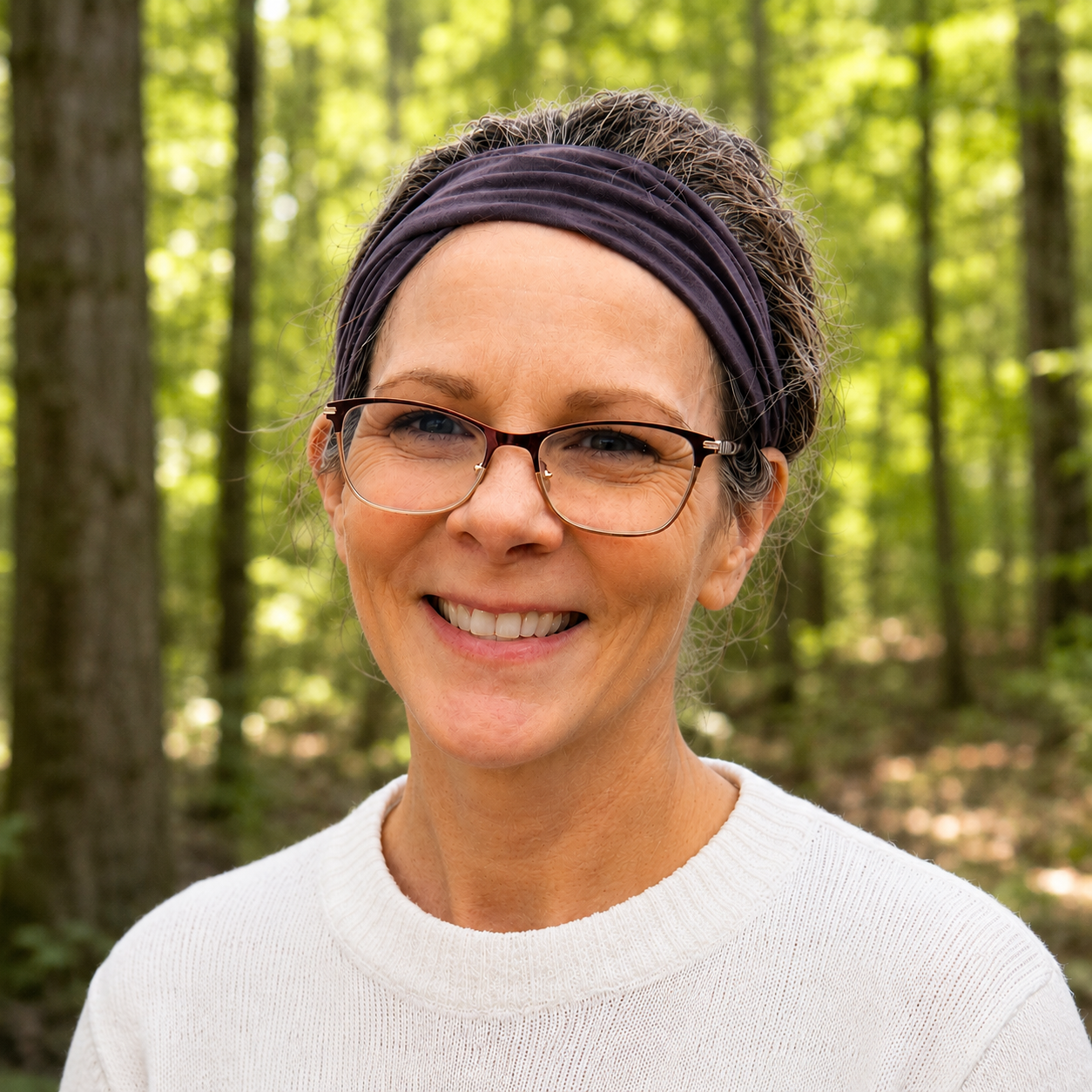
are founders of Yesfolk Tonics, a small family-owned brewery and cultural community space that specializes in traditional fermented and functional beverages like kombucha and kombucha vinegar. We use our platform for cultural preservation by centering foodways of diasporic and immigrant communities, the living traditions of herbalism and fermentation, ancestral healing modalities for self and communal care, and folk ritual.
-
Think you know kingdom fungi? Join us for Myco-Jeopardy, where the questions are occasionally tricky, the puns are unavoidable, and even seasoned mycologists may find themselves stumped. Categories range from edible and poisonous mushrooms to microscopy, taxonomy, ecology, folklore, and fungi in pop culture, with a few delightfully obscure facts thrown in for good measure. Whether you're new to mycology or have decades of experience, expect an entertaining and educational challenge.
Family Friendly Offering
-
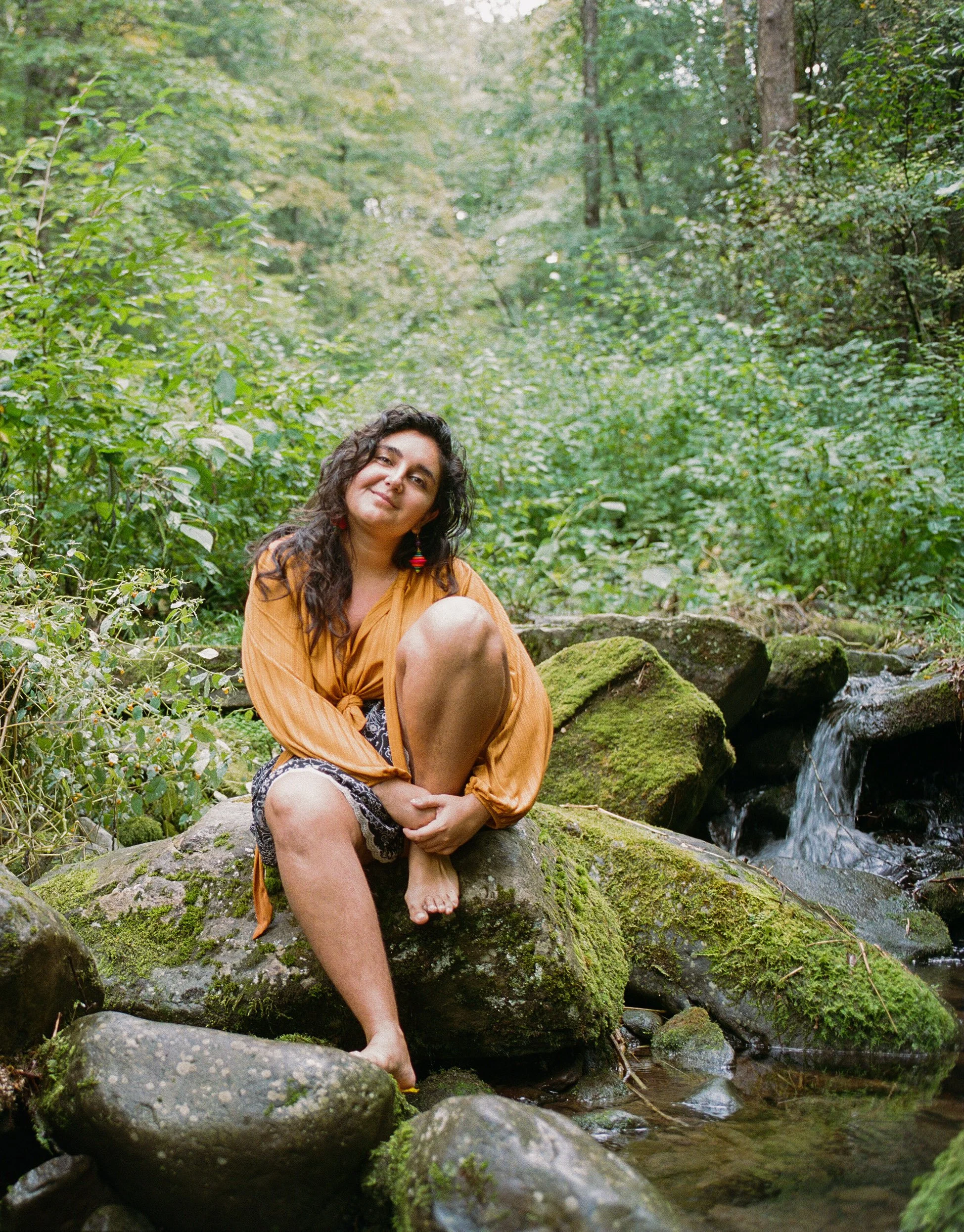
Shannon Nix is a fungal ecologist whose work explores how human activities shape fungal communities and forest ecosystems. She earned her Ph.D. from Rutgers University and conducted early research on anthropogenic disturbance as a Fulbright Fellow at the Agricultural University of Norway and as a Postdoctoral Research Associate at the University of Georgia Experiment Station. As a tenured professor at Clarion University of Pennsylvania and later at George Mason University, she taught courses in mycology, botany, microbiology, and environmental science, mentoring students at both undergraduate and graduate levels. Since moving to the Finger Lakes in 2020, her research has focused on how land use and management practices influence ectomycorrhizal fungal diversity in post-agricultural and transitional forests of the western Finger Lakes region of New York State. Alongside her independent scholarship, Shannon contributes to broader fungal research efforts as a Science Associate with SPUN and as a sequence validator with the DNAMA Volunteer Sequence Validation Corps. She recently accepted an appointment as a Visiting Research Scholar at Rochester Institute of Technology, where she is part of an interdisciplinary team exploring fungi as a sustainable source of biofuel.
-
Born from personal experience with Lyme disease, Tick Magic is a community herbalism resource that has supported people navigating tick-endemic landscapes since 2018. This workshop offers a grounded, compassionate, and expansive framework for living alongside ticks and the illnesses they carry.
We'll cover practical prevention strategies, after-bite care protocols, and herbal allies that can support the body through exposure and after bite care. While also dropping into the portal the zine is named for tick magic ~ the rituals, enchantments, and energetic practices we can cultivate to strengthen our psychic and spiritual protection.
We'll close out our time together with a guided plant walk, identifying species growing in the surrounding landscape that can be called upon directly in after-bite care. Rooting the herbal knowledge shared in class into the living plants around us, we'll leave with a more intimate and localized sense of what's available to us right where we stand. Participants will leave with concrete tools, resources, and a wider lens for cohabitating with ticks and tick-borne illness held with care.
-
Bridging land, plants, and poetry, Mandana’s work weaves together the wisdom of ecology, community organizing, and the power of storytelling, drawing on two decades of experience as a ethnobotanist, writer, educator, and community herbalist. Whether through her care work as an herbalist, her advocacy for farmers, or her poetry, the heart-mycelium feeding Mandana's work remains clear: to connect, heal, and protect through the land and the stories that shape it.
mandanaboushee.com wildgather.com wetheland.com nefoclandtrust.org
-
This lecture will emphasize the unique and fascinating cellular machinery found in fungi, while placing these systems within the broader context of the Tree of Life.
What is a Spitzenkörper, and how does it direct mycelial growth toward or away from environmental signals? How do fungi digest their food outside of their cells and then re-import nutrients? How do fungi gain cellular mass and generate energy?
Participants will also learn about uniquely fungal biological paradigms, including heterokaryon formation and the sexual reproduction programs that ultimately lead to mushroom development. Through these topics, we will explore how fungal cells grow, communicate, reproduce, and interact with their environment at the cellular and molecular levels.
-
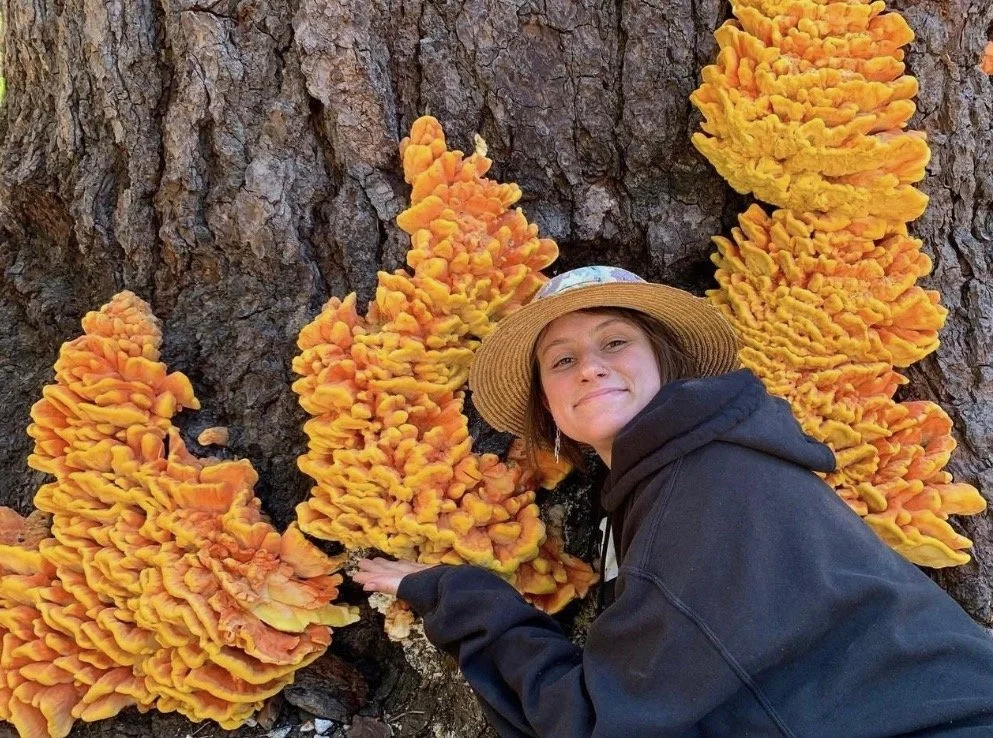
Grace Stark completed her PhD in Microbiology at UC Berkeley in the fall of 2025, where she obtained expertise in fungal cell biology, genetics, and the ecology of the post-fire fungus, and model organism, Neurospora crassa. All of her life she has been developing a deep passion for studying fungi, especially how they sense and compete with the organisms they cohabitate with. She now works on fruiting and growing Laetiporus species (Chicken of the woods).
-
Description text goes herePoplar Trees are being genetically engineered (GE) to resist fungal decomposition and proponents are eager to plant millions of them. Poplars have dozens of native wild relatives in North America and it is almost impossible to prevent GE poplars from contaminating other poplars and spreading into wild forests. American Chestnut Trees have been genetically engineered to resist a fungal blight and proponents want to release them into the wild. This workshop will review the status of these two GE trees and the unknowns to forest ecosystems including impacts on mycorrhizal fungi in the soil.
The presentation will be given by Heather Lee and Anne Petermann from the Campaign to STOP GE Trees (a national and international alliance of organizations that have united towards prohibiting the ecologically and socially devastating release of genetically engineered trees into the environment).
-
co-founded Global Justice Ecology Project (GJEP) in 2003 and serves as the International Coordinator of the Campaign to STOP GE Trees, which she also co-founded in 2004.
-
is the Assistant Director at GJEP, and a Campaigner to STOP GE Trees.
-
In this workshop we will learn how to save and expand mushroom genetics in two different mediums; agar plates, and grain bags . Along with basic mycology terms, participants will learn how to make transfers to and from agar petri dishes, this method helps for long term storage of mycelium. We will go over how you can save local genetics found while foraging, and learn how to inoculate grain using agar plates and sterilized grain to make grain spawn bags.
-
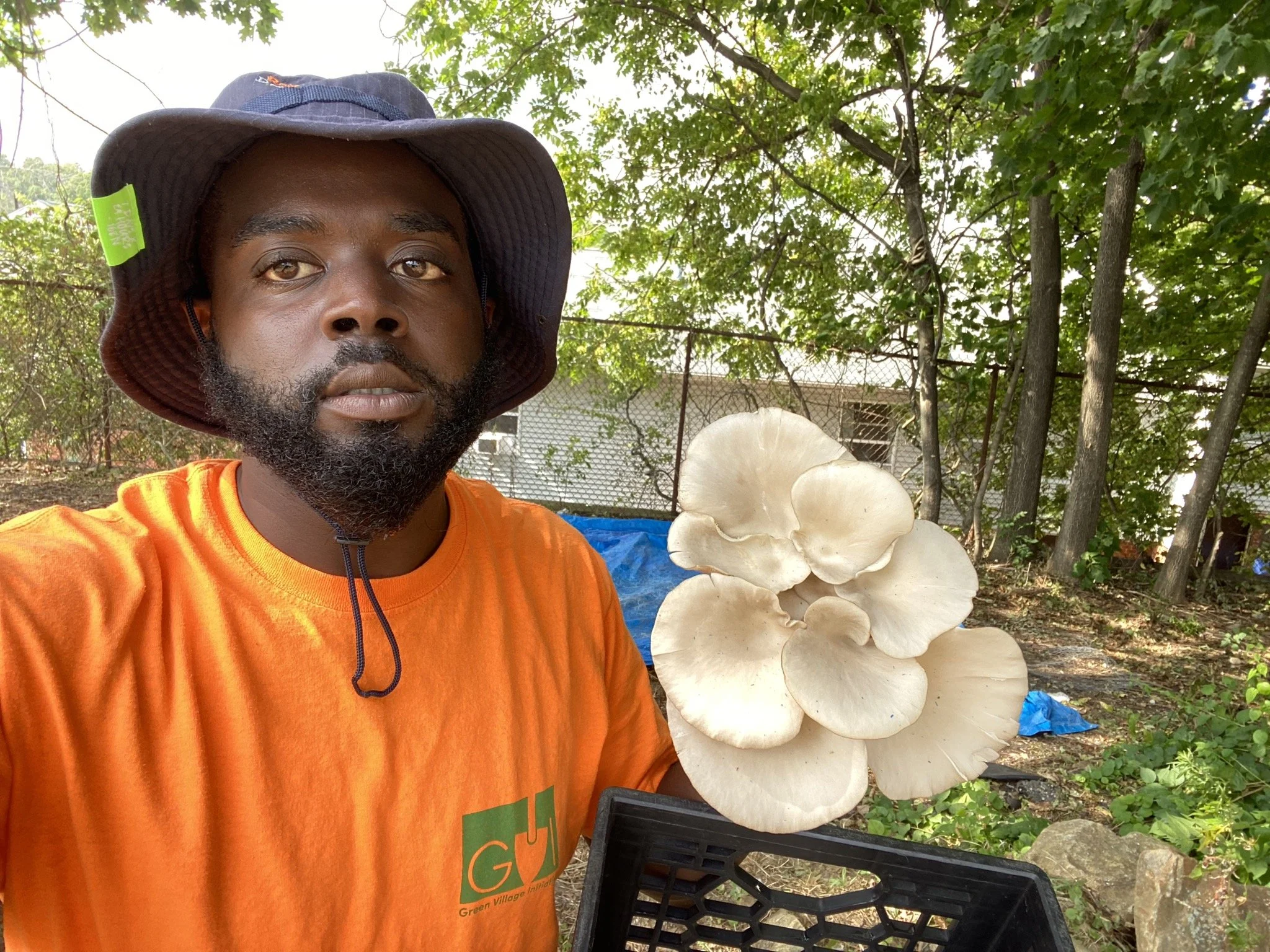
Hood Farmer Rob has been in the world of agriculture since 2015 and since has worked in urban farm spaces and started his own farm business in which he grows food and leads education to promote self sustainability. Around 2021 he began diving into the world of mycology and have been stuck with the bug since. Once he proved to himself that he could cultivate mushrooms effectively, he started teaching others. He continues to equip himself over the years to spread more knowledge to his networks.
Instagram: @hoodfarmerrob @hempmilkhoney @liberatedlandcooperative @blackmyceliumbetwork
Website
-
Through anecdotes and photography we will explore the hidden world of UV fluorescence in many organisms, offering a glimpse into what makes certain species glow. Following the talk, participants will head out on a guided evening walk with UV flashlights to spot luminous fungi and lichens.
Family Friendly Offering
-
Additionally, each evening visit the Moth Zone, Blacki will set up and discuss an automated camera trap system intended to catch moths named the Mothbox. The Mothbox is an open source science tool for automated insect monitoring which was developed by entomologist for entomology work out in the field. It is a low-cost, high-performance tool that features a power efficient and lightweight design and is supplemented by a suite of open source software. It's quickly grown in popularity by many field biologists which already in two short years have been deploying it in biodiversity hotspots all over the world. www.mothbox.org
-
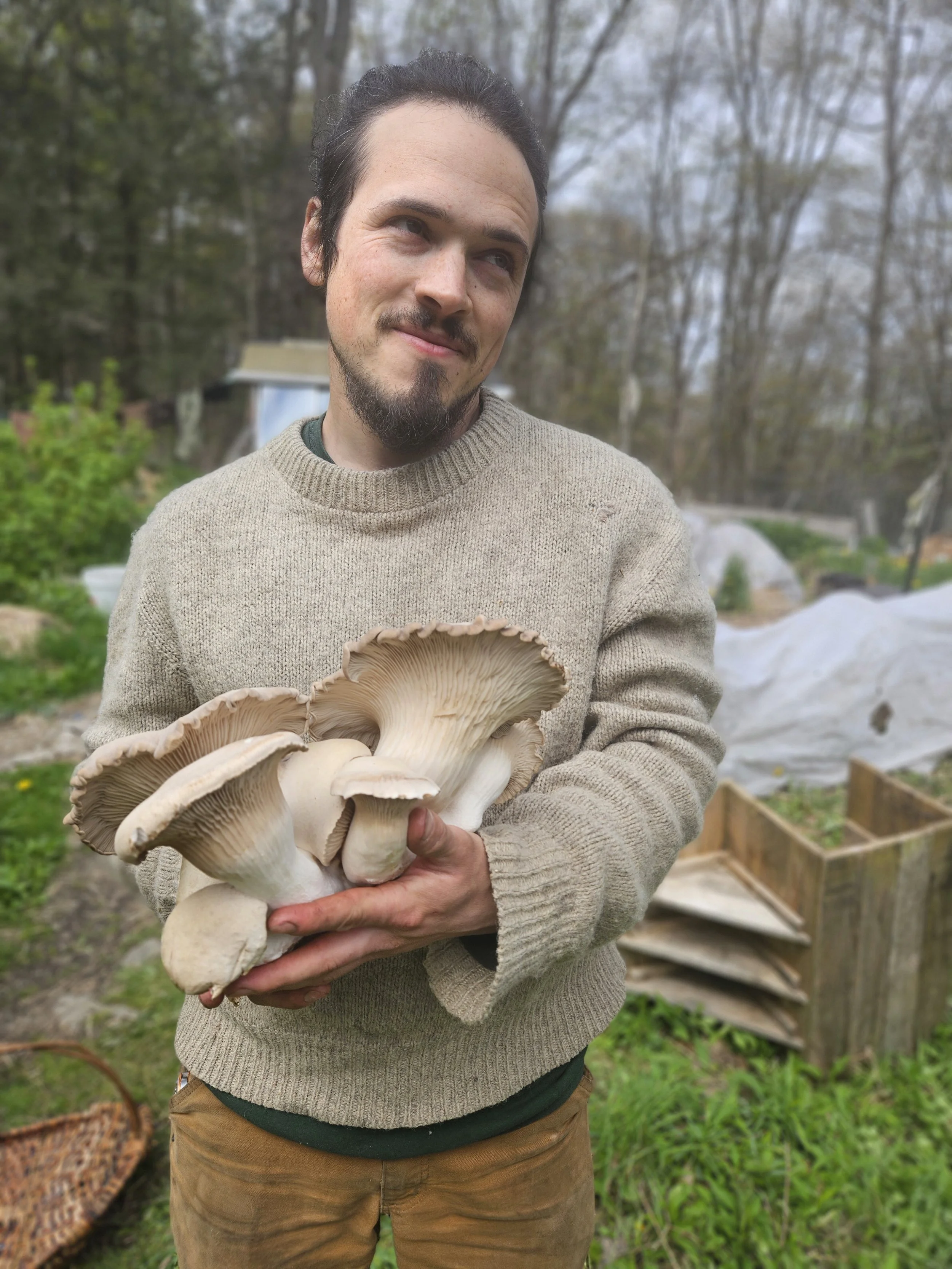
Blacki Migliozzi is a amateur biologist who learned to do science hands-on through work with citizen science organizations like the New York Mycological Society and DIY maker spaces like Biotech Without Borders and Genspace. In the past, he has been a member of several gold medal-winning teams competing in the International Genetically Engineered Machines (iGEM) competition. More recently, he has spent several seasons doing genomics fieldwork in the jungles of Central and South America.
-
So you've inoculated your first shiitake logs, congrats! Now what? This class will cover shiitake cultivation in depth, from harvesting logs, inoculation, incubation, fruiting, and maintenance.
-
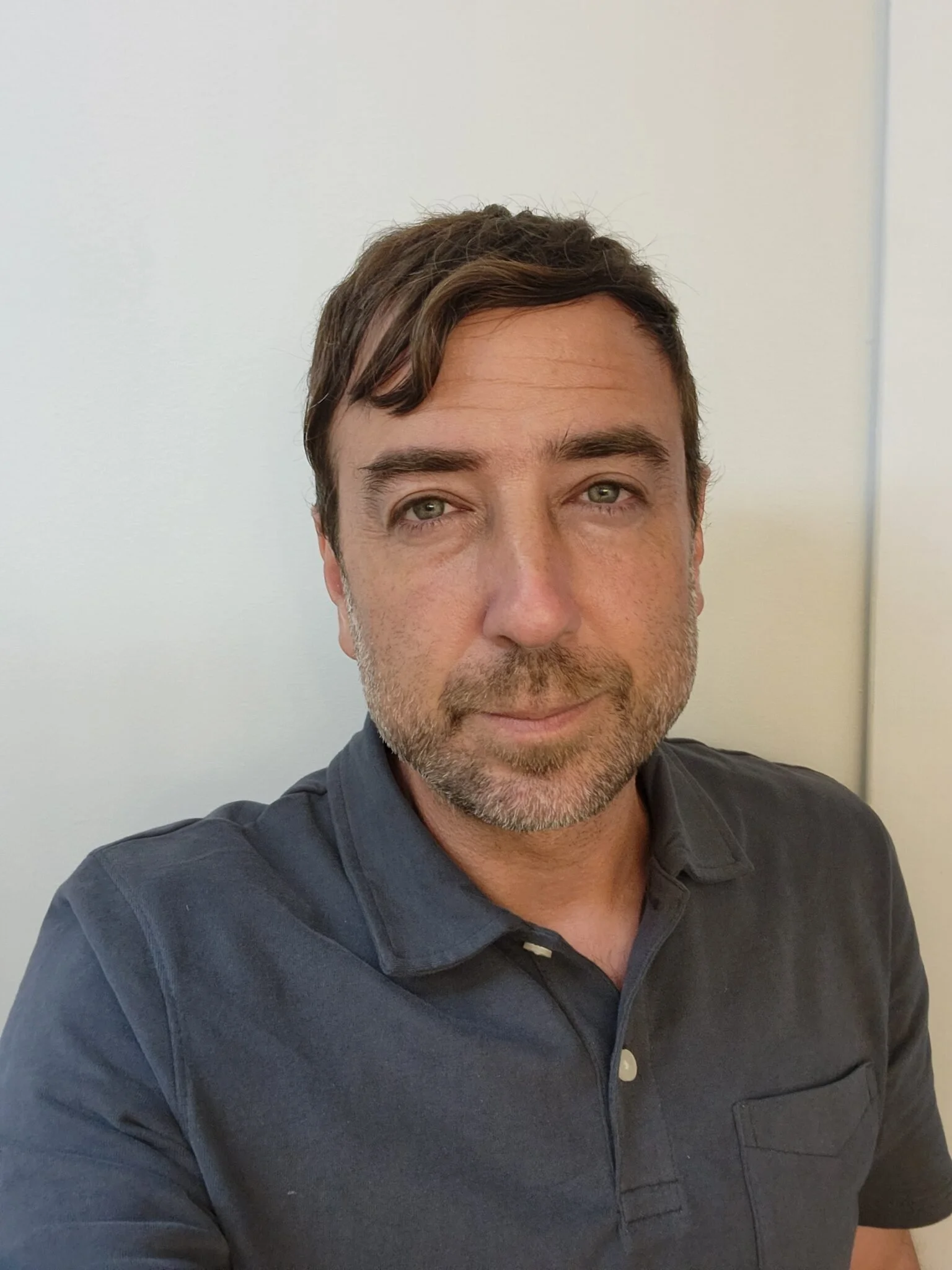
Darren Johnson is a community-taught mycologist with a background in environmental science and culinary arts. He started his mycological journey through a culinary lens, growing up exploring the woods and working professionally in restaurants. The fungal world caught his eye, and foraging quickly became a lifelong passion as he learned to grow, find, and cook mushrooms. Based in Dryden, NY, his farm, Regenerative Mycology, provides mushrooms to local food hubs, farmers' markets, and chefs. His farm is off-grid and seasonal, focusing on low-tech mushroom cultivation.
-
Presentation and discussion on mutual aid rapid response networks for immigrant solidarity, looking at our Immigrant Defense Hub and Hotline in Maine, LighthouseME.org, as an example. We'll also looking at growing strength at the intersection of climate/migrant justice movements.
-
Communication Manager at Maine Immigrants' Rights Coalition(MIRC), former editor of Earth First! Journal and Prison Legal News, civic engagement staff at Florida Immigrant Coalition. Father of two. Lives in Waldo County, Maine.