Cafe Aman Project
support artists working to preserve and innovate culture
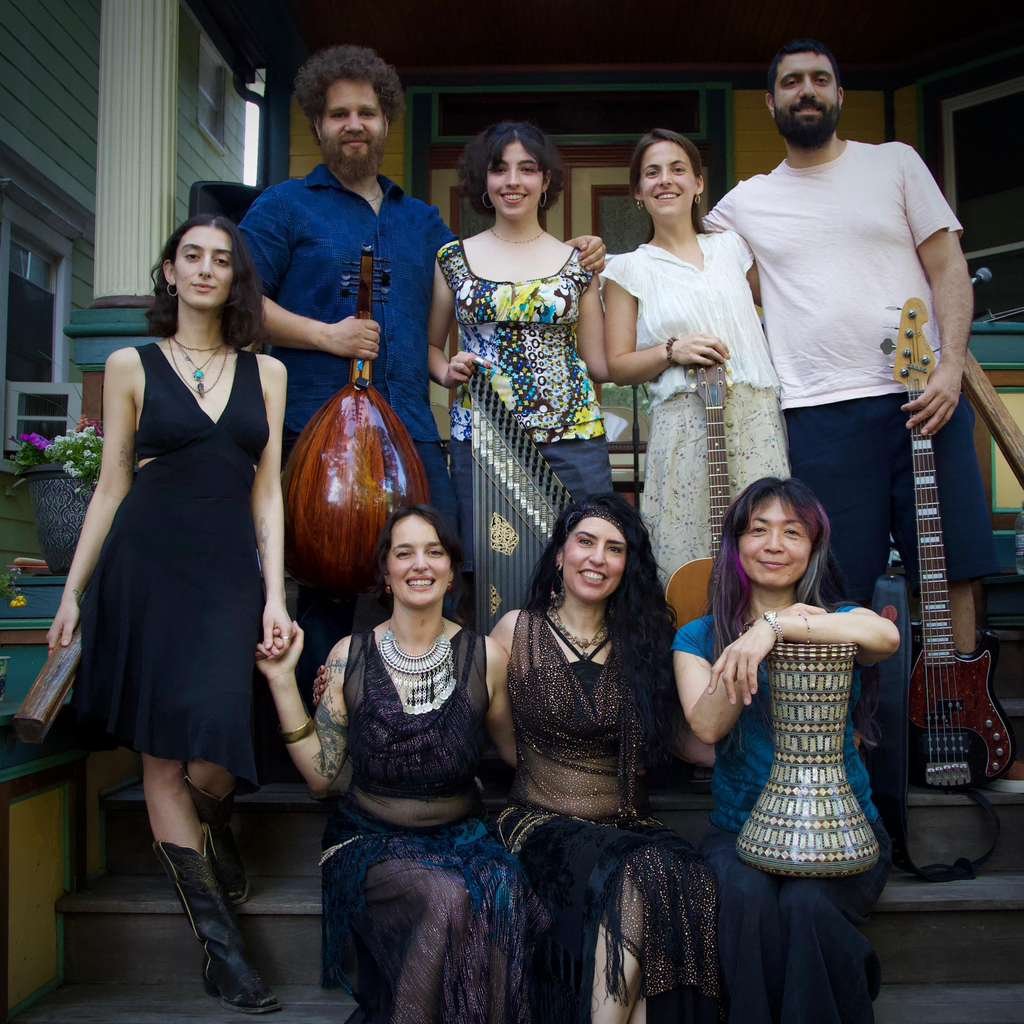
Join Cafe Aman Project Friday Evening @ 9:30pm at the New Moon Mycology Summit
Cafe Aman Project is inspired by the cultural community space known as ‘Cafe Aman’ which proliferated in Asia Minor prior to, during and after the Greco Turkish War.
Cafe Aman was not one place, it was an ever evolving entity of political resistance and culture building through shared threads of multiple ethnic groups and religions. A place wherein musicians and dancers performed improvisational songs and dances, sharing in their grief, their love and laments of life.
This time period in Anatolia and Greece was wrought with cultural and religious feuds which resulted in the Greek, Assyrian and Armenian genocides and pogroms over the years, well into the 1950s. This cultural divide attempted by Turkish and Greek nationalists alike was met with resistance by these Cafe Aman gatherings. Greeks, Armenians, Assyrians, Kurds, Arabs, Turks and Sephardic Jews gathered and played music, danced and created unity through shared melodies and rhythms. These songs and memories of movement are what we have to inform our understanding of this time period. We hear stories of love, admiration, loss, friendship, marriage, heartbreak and dancing with your παρέα.
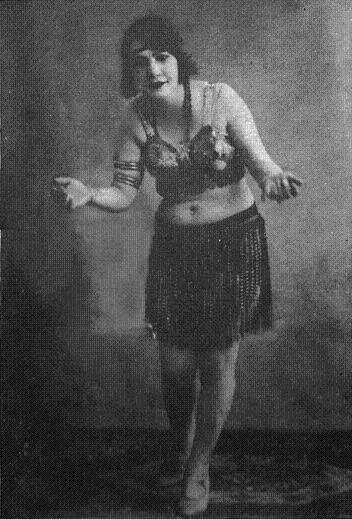
During this era (early 1900-1923), Greek women and gay men were the predominant ethnic group who were ‘belly dancing’ tsiftiteli in Smyrna. When the Greek population was exiled from present day Turkey to mainland Greece, they were met with contempt and misunderstanding from many people and the government. They lived in the fringe of society for many years, most coming to Greece with just the clothes on their back. Thus, created the underground world of Rebetiko culture where the ‘manges’ (rough around the edges kind men in Rebetiko culture, outlaws) and ‘mortisses’ (independent women, Tsiftiteli dancers and Rebetiko singers) came to be.
This culture of music, hailing from Asia Minor Greeks came to be censored and even outlawed in the mid 1930s during Metaxas’s dictatorship. Songs referring to the ‘underworld’ underground culture, hashish dens and even playing bouzouki was outlawed. Greece strived to become more ‘European’ and tried to detach itself from the ‘oriental’ Asia Minor Greeks because wester Europe kept dangling the carrot of whiteness in the faces of politicians. Greece was traumatized after the events which concluded Ottoman rule and saw Europe as a savior. Greece accepted our history being stolen by the imagination of white supremacists.
The tiny bouzouki, called the Baglamandaki, was created during this time of censorship because it was easily concealed in jacket sleeves of men and smuggled into jails.
Smyrna, now Izmir, was once a hub for this culture over 100 years ago, before the great Fire of Smyrna in 1922, when the city was burnt to a crisp by kemalists and the Christian and Jewish minorities were exiled and murdered. Many of the songs in our repitoire are known as ‘Smyrneika’ because they come from this old Greek city. Rebetiko, Smyrneika and Zebekiko are all Greek genres that come from Asia Minor and have nestled themselves into popular Greek life.
Even the esteemed Dora Stratou theatre would not include Tsiftiteli into its repertoire until quite recently. Athena Najat actually performed a beautiful Tsiftiteli piece at her outdoor theatre in Athens in July 2022. Myrto was lucky enough to witness this historic moment. You can watch it here.
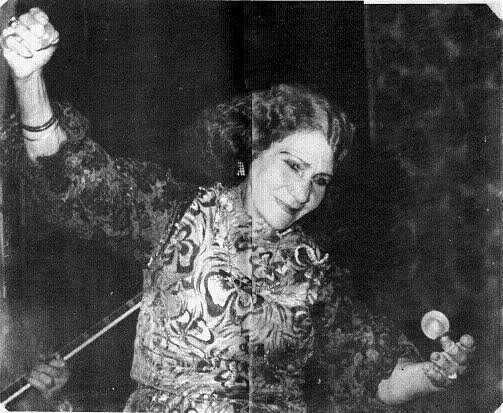
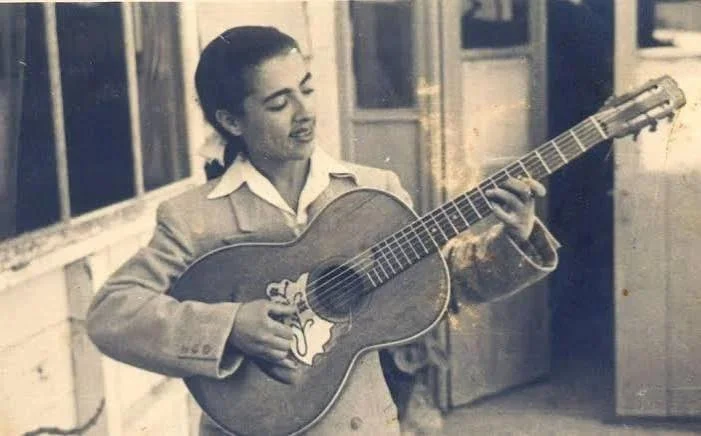
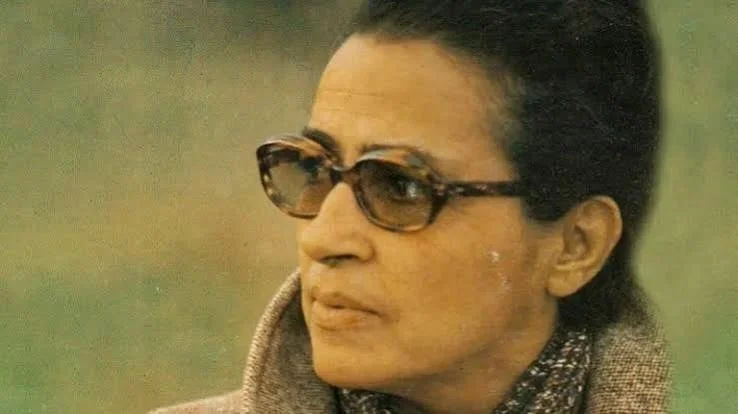
We are inspired like great women Rebetes like Roza Eskenazi and Sotiria Bellou who not only shared their incredible voices with us, but also fought against fascism with the Greek resistance. As a woman led group, we honor these ancestors by continuing this culture of art and resilience. The people of this subculture have always been the ‘outcasts’ and resistance to fascism and nationalism.
Inherently, Cafe Aman defies borders and religious dogma, creating a space for many people to feel connection. Given the unprecedented time we currently find ourselves in, we feel it’s now more important than ever to bring back these kinds of community spaces to fortify ourselves, TOGETHER, as we are all children of immigrants and diaspora. We are here to continue to tell these stories of longing, loss, hope and love. We are here to create space to share in κέφι and ντέρτι with you.
Follow them on Instagram HERE